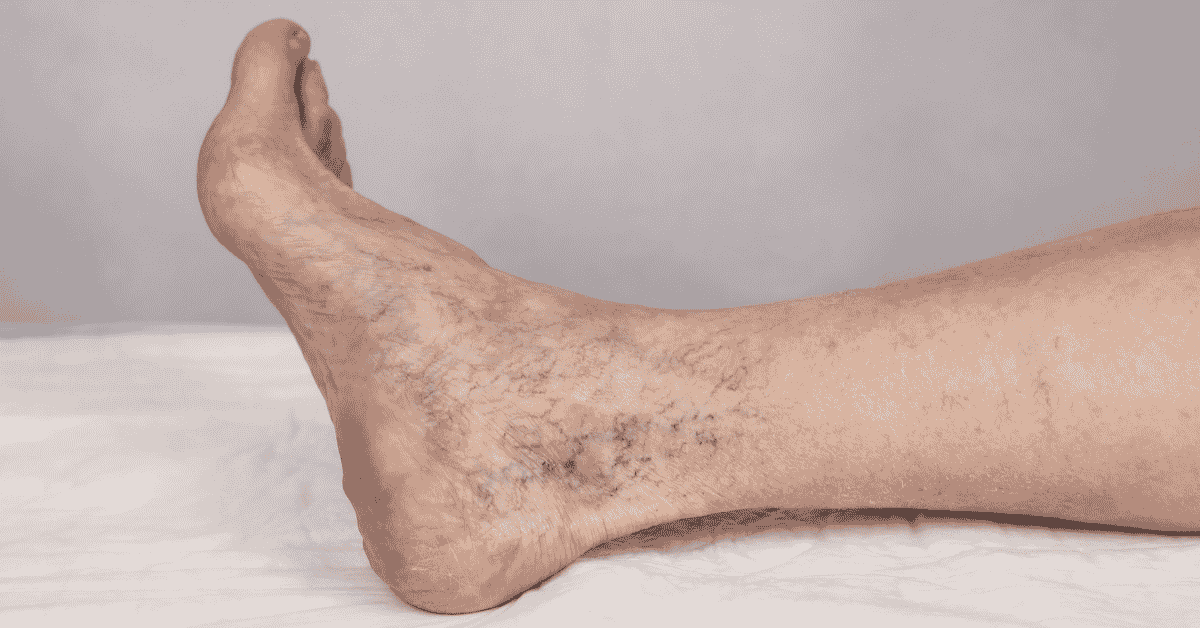
Varicose veins affect millions of Americans — yet many people still believe they’re purely cosmetic.
The truth? Varicose veins are a medical condition caused by underlying vein valve dysfunction, and understanding what causes them is the first step toward effective treatment.
At Laser Vascular Center, we help patients across Arizona identify the root cause of their vein problems and provide minimally invasive solutions that restore healthy circulation.
Let’s break down what actually causes varicose veins — and what you can do about them.
How Healthy Veins Are Supposed to Work
Your leg veins have one major job: carry blood back up to your heart against gravity.
They rely on:
-
Strong vein walls
-
One-way valves that prevent backward flow
-
Muscle contractions to push blood upward
When these valves weaken or fail, blood flows backward and pools in the vein. This increases pressure inside the vessel, causing it to stretch, twist, and bulge — forming a varicose vein.
This condition is known as chronic venous insufficiency (CVI).
1. Genetics: The Strongest Risk Factor
If one or both of your parents had varicose veins, your risk increases significantly.
Inherited traits can include:
-
Weaker vein walls
-
Valve abnormalities
-
Reduced connective tissue strength
You cannot change your genetics — but early monitoring and treatment can prevent progression.
2. Prolonged Standing or Sitting
Occupations that require long hours on your feet — or sitting without movement — increase pressure in the leg veins.
Common high-risk professions include:
-
Nurses and healthcare workers
-
Teachers
-
Retail employees
-
Office workers
-
Hairstylists
When leg muscles remain inactive, they don’t assist in pumping blood upward, allowing pooling to occur.
3. Pregnancy and Hormonal Changes
Pregnancy increases blood volume and places added pressure on pelvic and leg veins.
Hormonal changes also relax vein walls, making them more prone to dilation.
While some pregnancy-related veins improve postpartum, many persist — especially after multiple pregnancies.
4. Age
As we age:
-
Vein walls lose elasticity
-
Valves weaken
-
Circulatory efficiency decreases
This makes adults over 40 more susceptible to developing varicose veins.
However, we increasingly see patients in their 20s and 30s due to lifestyle and hereditary factors.
5. Obesity
Excess body weight increases pressure on leg veins and contributes to circulation strain.
Over time, this added stress accelerates valve failure and vein enlargement.
6. Previous Blood Clots (DVT)
A history of deep vein thrombosis (DVT) can damage vein valves permanently, increasing the likelihood of chronic venous insufficiency.
If you’ve had a blood clot, monitoring circulation health is especially important.
Are Varicose Veins Dangerous?
While some cases remain mild, untreated venous disease can lead to:
-
Chronic swelling
-
Skin discoloration
-
Thickened tissue
-
Venous ulcers
-
Increased clot risk
Early intervention significantly reduces these risks.
Modern Treatment Is Not “Vein Stripping”
Many patients delay care because they associate vein treatment with painful surgical stripping.
Today, Laser Vascular Center offers:
-
Endovenous laser therapy
-
Radiofrequency ablation
-
Ultrasound-guided sclerotherapy
-
Microphlebectomy
These procedures are:
-
Minimally invasive
-
Performed in-office
-
Completed with local anesthesia
-
Associated with little downtime
Most patients return to normal activity quickly.
When Should You Seek Evaluation?
Schedule a vein consultation if you experience:
-
Visible bulging veins
-
Leg heaviness or fatigue
-
Swelling
-
Night cramps
-
Skin changes
A simple vascular ultrasound can determine whether underlying valve dysfunction is present.
Take Control of Your Circulation
Varicose veins don’t just “happen.” They develop from identifiable causes — many of which can be addressed before complications arise.
At Laser Vascular Center, our team specializes in diagnosing and treating venous disease at its source, helping patients regain comfort, confidence, and long-term vascular health.
If you’re noticing symptoms, don’t wait for them to worsen.
Schedule your personalized vein evaluation today.
Our expert team is available Mon-Fri 8am-5pm MST
Call today: (480) 788-5621
FFREE VEIN SCREENING
Please fill out the form below and a member of our team will promptly contact you!
Follow us on social media!
Varicose veins affect millions of Americans — yet many people still believe they’re purely cosmetic.
The truth? Varicose veins are a medical condition caused by underlying vein valve dysfunction, and understanding what causes them is the first step toward effective treatment.
At Laser Vascular Center, we help patients across Arizona identify the root cause of their vein problems and provide minimally invasive solutions that restore healthy circulation.
Let’s break down what actually causes varicose veins — and what you can do about them.
How Healthy Veins Are Supposed to Work
Your leg veins have one major job: carry blood back up to your heart against gravity.
They rely on:
-
Strong vein walls
-
One-way valves that prevent backward flow
-
Muscle contractions to push blood upward
When these valves weaken or fail, blood flows backward and pools in the vein. This increases pressure inside the vessel, causing it to stretch, twist, and bulge — forming a varicose vein.
This condition is known as chronic venous insufficiency (CVI).
1. Genetics: The Strongest Risk Factor
If one or both of your parents had varicose veins, your risk increases significantly.
Inherited traits can include:
-
Weaker vein walls
-
Valve abnormalities
-
Reduced connective tissue strength
You cannot change your genetics — but early monitoring and treatment can prevent progression.
2. Prolonged Standing or Sitting
Occupations that require long hours on your feet — or sitting without movement — increase pressure in the leg veins.
Common high-risk professions include:
-
Nurses and healthcare workers
-
Teachers
-
Retail employees
-
Office workers
-
Hairstylists
When leg muscles remain inactive, they don’t assist in pumping blood upward, allowing pooling to occur.
3. Pregnancy and Hormonal Changes
Pregnancy increases blood volume and places added pressure on pelvic and leg veins.
Hormonal changes also relax vein walls, making them more prone to dilation.
While some pregnancy-related veins improve postpartum, many persist — especially after multiple pregnancies.
4. Age
As we age:
-
Vein walls lose elasticity
-
Valves weaken
-
Circulatory efficiency decreases
This makes adults over 40 more susceptible to developing varicose veins.
However, we increasingly see patients in their 20s and 30s due to lifestyle and hereditary factors.
5. Obesity
Excess body weight increases pressure on leg veins and contributes to circulation strain.
Over time, this added stress accelerates valve failure and vein enlargement.
6. Previous Blood Clots (DVT)
A history of deep vein thrombosis (DVT) can damage vein valves permanently, increasing the likelihood of chronic venous insufficiency.
If you’ve had a blood clot, monitoring circulation health is especially important.
Are Varicose Veins Dangerous?
While some cases remain mild, untreated venous disease can lead to:
-
Chronic swelling
-
Skin discoloration
-
Thickened tissue
-
Venous ulcers
-
Increased clot risk
Early intervention significantly reduces these risks.
Modern Treatment Is Not “Vein Stripping”
Many patients delay care because they associate vein treatment with painful surgical stripping.
Today, Laser Vascular Center offers:
-
Endovenous laser therapy
-
Radiofrequency ablation
-
Ultrasound-guided sclerotherapy
-
Microphlebectomy
These procedures are:
-
Minimally invasive
-
Performed in-office
-
Completed with local anesthesia
-
Associated with little downtime
Most patients return to normal activity quickly.
When Should You Seek Evaluation?
Schedule a vein consultation if you experience:
-
Visible bulging veins
-
Leg heaviness or fatigue
-
Swelling
-
Night cramps
-
Skin changes
A simple vascular ultrasound can determine whether underlying valve dysfunction is present.
Take Control of Your Circulation
Varicose veins don’t just “happen.” They develop from identifiable causes — many of which can be addressed before complications arise.
At Laser Vascular Center, our team specializes in diagnosing and treating venous disease at its source, helping patients regain comfort, confidence, and long-term vascular health.
If you’re noticing symptoms, don’t wait for them to worsen.
Schedule your personalized vein evaluation today.
Our expert team is available Mon-Fri 8am-5pm MST
Call today: (480) 788-5621
FREE VEIN SCREENING
Please fill out the form below and a member of our team will promptly contact you!