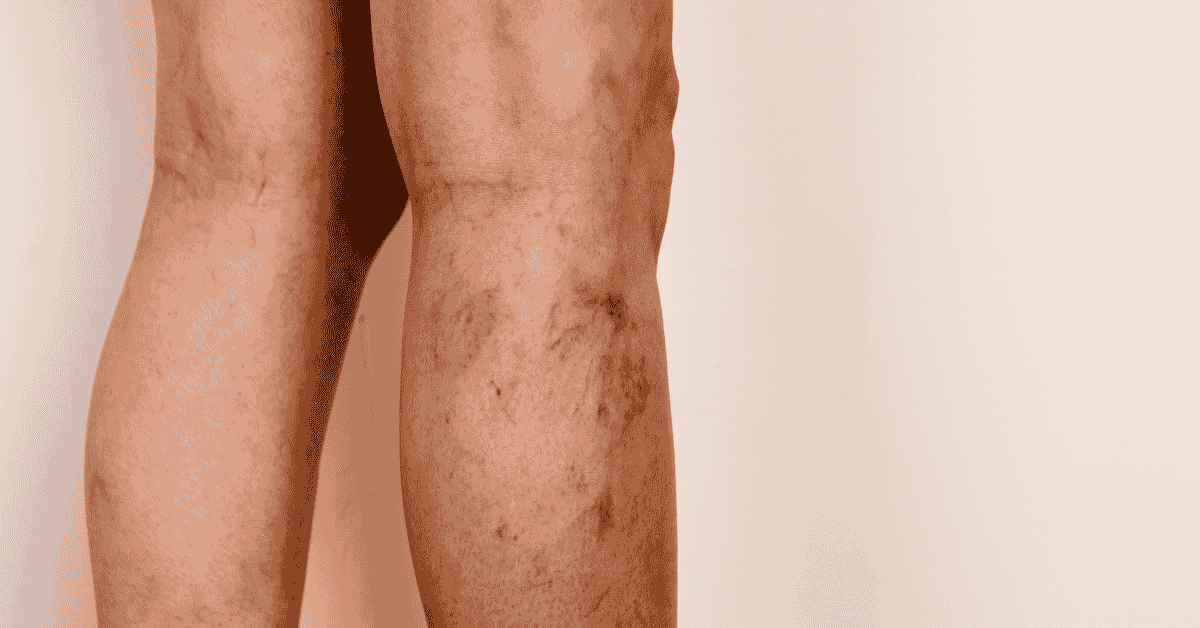
Seeing spider veins reappear after treatment can be frustrating. Many patients feel discouraged when veins that were once faded or gone slowly return, sometimes in the same area or nearby. While it may seem like the treatment didn’t work, recurring spider veins often mean that something deeper is being overlooked.
Spider veins are small, visible veins near the surface of the skin. They are commonly treated with injections or laser-based methods that target the appearance of the vein. While these treatments can be very effective, spider veins are often a symptom, not the root problem.
In many cases, recurring spider veins are linked to underlying vein disease, such as chronic venous insufficiency. When deeper veins are not circulating blood properly, pressure builds and forces blood into smaller surface veins. Even if spider veins are treated successfully, untreated circulation issues can cause new ones to form over time.
Hormonal changes, genetics, prolonged standing, and pregnancy can all contribute to spider vein development. However, when spider veins keep coming back, it’s often a sign that the vein system beneath the skin needs closer evaluation.
This is where a vascular ultrasound becomes important. Ultrasound allows specialists to assess blood flow and valve function in the deeper veins. If reflux or pooling is present, treating only the visible veins won’t address the source of the problem.
At Laser Vascular Center, treatment plans are built around the full picture of a patient’s vein health. When deeper vein issues are identified, minimally invasive treatments such as endovenous laser therapy or radiofrequency ablation may be recommended before or alongside cosmetic treatments. This approach helps reduce the likelihood of recurrence and improves long-term results.
Addressing the underlying circulation problem doesn’t just improve appearance — it can also relieve symptoms like aching, heaviness, swelling, and fatigue that often accompany vein disease.
If spider veins have returned after treatment, it doesn’t mean you’ve failed or that treatment isn’t possible. It may simply mean that your veins need a more comprehensive evaluation. Treating the cause, not just the surface, can lead to healthier legs and longer-lasting results.
Our expert team is available Mon-Fri 8am-5pm MST
Call today: (480) 788-5621
FFREE VEIN SCREENING
Please fill out the form below and a member of our team will promptly contact you!
Follow us on social media!
Seeing spider veins reappear after treatment can be frustrating. Many patients feel discouraged when veins that were once faded or gone slowly return, sometimes in the same area or nearby. While it may seem like the treatment didn’t work, recurring spider veins often mean that something deeper is being overlooked.
Spider veins are small, visible veins near the surface of the skin. They are commonly treated with injections or laser-based methods that target the appearance of the vein. While these treatments can be very effective, spider veins are often a symptom, not the root problem.
In many cases, recurring spider veins are linked to underlying vein disease, such as chronic venous insufficiency. When deeper veins are not circulating blood properly, pressure builds and forces blood into smaller surface veins. Even if spider veins are treated successfully, untreated circulation issues can cause new ones to form over time.
Hormonal changes, genetics, prolonged standing, and pregnancy can all contribute to spider vein development. However, when spider veins keep coming back, it’s often a sign that the vein system beneath the skin needs closer evaluation.
This is where a vascular ultrasound becomes important. Ultrasound allows specialists to assess blood flow and valve function in the deeper veins. If reflux or pooling is present, treating only the visible veins won’t address the source of the problem.
At Laser Vascular Center, treatment plans are built around the full picture of a patient’s vein health. When deeper vein issues are identified, minimally invasive treatments such as endovenous laser therapy or radiofrequency ablation may be recommended before or alongside cosmetic treatments. This approach helps reduce the likelihood of recurrence and improves long-term results.
Addressing the underlying circulation problem doesn’t just improve appearance — it can also relieve symptoms like aching, heaviness, swelling, and fatigue that often accompany vein disease.
If spider veins have returned after treatment, it doesn’t mean you’ve failed or that treatment isn’t possible. It may simply mean that your veins need a more comprehensive evaluation. Treating the cause, not just the surface, can lead to healthier legs and longer-lasting results.
Our expert team is available Mon-Fri 8am-5pm MST
Call today: (480) 788-5621
FREE VEIN SCREENING
Please fill out the form below and a member of our team will promptly contact you!