

What is
Peripheral Neuropathy Stimulator (PNS)?
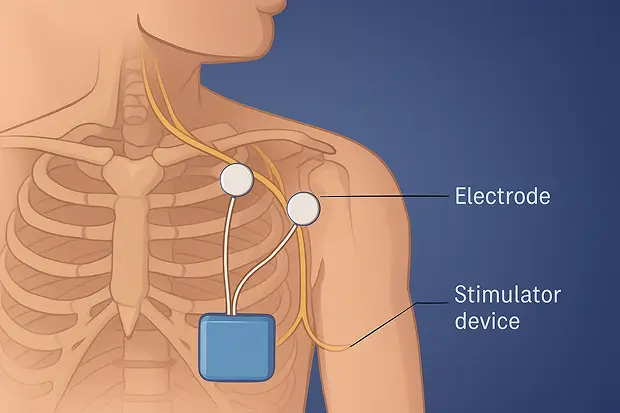
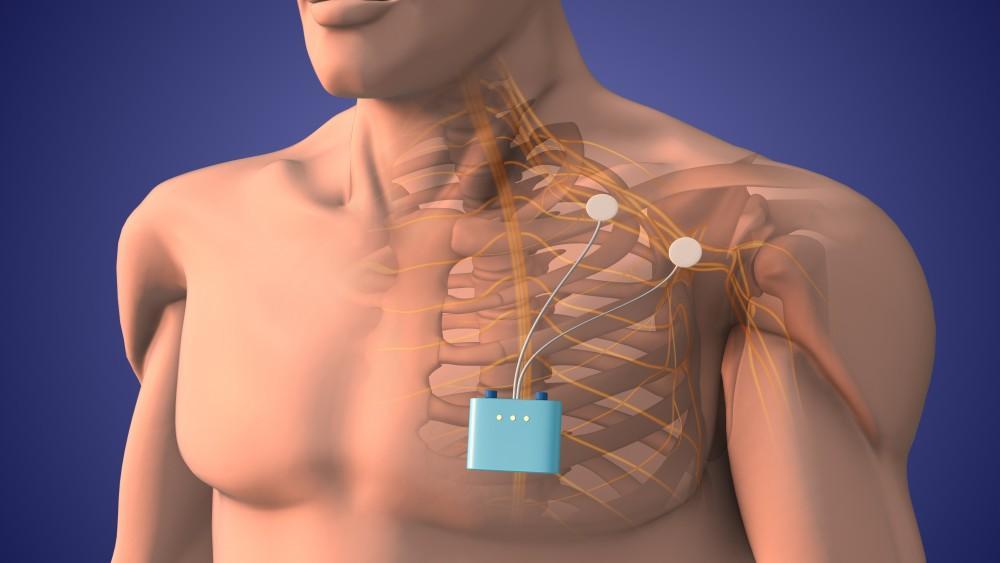
A Peripheral Neuropathy Stimulator (PNS) is a minimally invasive medical device used to treat chronic nerve pain caused by peripheral neuropathy or nerve damage. It works by placing a small electrode near the affected peripheral nerve to deliver gentle electrical impulses that interrupt or modify pain signals before they reach the brain. This helps reduce symptoms such as burning, tingling, numbness, and shooting pain. PNS therapy is often used when medications or other treatments fail, and it provides a targeted, drug-free, and long-term solution for managing neuropathic pain.
What Causes Peripheral Neuropathy Stimulator (PNS)?
Peripheral neuropathy is caused by damage to the peripheral nerves, which disrupts how the nerves send signals between the body and the brain. This nerve damage can result from many underlying conditions. A Peripheral Neuropathy Stimulator (PNS) is used to treat the pain caused by these conditions, not to cause them.
Most common causes of peripheral neuropathy include:
- Diabetes (most common cause)
- Nerve injuries or trauma
- Infections
- Autoimmune disorders
- Vitamin deficiencies
- Alcohol abuse
- Chemotherapy or medications
- Toxins and chemicals
- Genetic/Inherited neuropathies
- Unknown causes (Idiopathic)
What are Symptoms of Peripheral Neuropathy Stimulator (PNS)?
Peripheral Neuropathy Stimulator (PNS) is used to treat nerve-related pain, so the symptoms relate to peripheral neuropathy, not the device itself. People with peripheral neuropathy commonly experience:
Common Symptoms
- Burning or sharp pain in feet, legs, hands, or arms
- Tingling or pins and needles sensation
- Numbness that makes it hard to feel temperature or touch
- Electric shock–like pain
- Increased sensitivity, even light touch may hurt
- Muscle weakness or difficulty walking
- Loss of balance or coordination
- Cramping or twitching of muscles
Severe or advanced symptoms
- Serious loss of feeling in feet (risk of injury)
- Difficulty standing for long periods
- Burning pain that worsens at night
- Foot ulcers in diabetic neuropathy
Conservative Treatment
Conservative treatment refers to non-surgical, low-risk methods used to manage peripheral neuropathy before considering advanced options like Peripheral Neuropathy Stimulator (PNS). These treatments aim to reduce pain, improve nerve function, and slow the progression of symptoms. Common conservative treatments include medications, physical therapy, lifestyle changes, proper footwear, nutritional supplements, and managing underlying conditions such as diabetes. While these methods can provide relief for many patients, they may not be effective for chronic or severe neuropathic pain—leading some individuals to explore more targeted therapies like PNS.
Peripheral Neuropathy Stimulator (PNS) Treatment
Peripheral Neuropathy Stimulator (PNS) treatment is a minimally invasive therapy designed to relieve chronic nerve pain caused by peripheral neuropathy. The procedure involves placing a small, flexible electrode near the affected nerve to deliver gentle electrical impulses. These signals interrupt or modify abnormal pain messages before they reach the brain, helping reduce burning, tingling, numbness, and sharp nerve pain.PNS treatment typically begins with a short trial period, allowing your doctor to evaluate your response before considering a long-term implant. If the trial is successful, patients can experience significant and lasting relief—especially when traditional medications or conservative treatments have not provided enough improvement.This targeted, drug-free approach helps many individuals regain mobility, improve sleep, and return to daily activities with less discomfort.
Peripheral Neuropathy Stimulator (PNS)
We begin with a **7-day trial period** to determine how well the Peripheral Neuropathy Stimulator (PNS) works for you. If the trial is successful, the temporary lead can be converted into a **permanent implant**. Treatment is typically performed **one leg at a time** to ensure the therapy is effective, comfortable, and well-tolerated. This step-by-step approach often provides **meaningful, long-lasting relief** for neuropathy symptoms that medications alone may not fully control.
Schedule an appointment with your podiatrist today to find out if you qualify for this treatment.