The condition of your veins is important for the effective circulation of your blood throughout your body. When veins don’t work the way they should, they can cause discomfort, pain, swelling and even serious health problems if left untreated. Though many see visible veins as a cosmetic issue, vein disease can affect overall health and quality of life.
If you are suffering from symptoms such as leg pain, swelling, varicose veins, spider veins, or poor circulation, then seeing a Vein Specialist in Phoenix will help you discover the root cause and get proper treatment. The latest in vascular medicine offers sophisticated, minimally invasive techniques to relieve symptoms, improve circulation and help prevent future problems.
In this guide, we will discuss common vein problems, signs & symptoms, treatment options and the benefits of seeing a skilled vein specialist.
What does a Phlebologist do?
A vein specialist is a medical professional specializing in the diagnosis and treatment of vein and vascular disorders. They help promote healthy blood flow and fix problems that might impact circulation.
Veins return blood to the heart. Veins have valves which can be broken or otherwise compromised . Blood pools in veins instead of flowing smoothly . This can cause anything from mild discomfort to severe vascular problems.
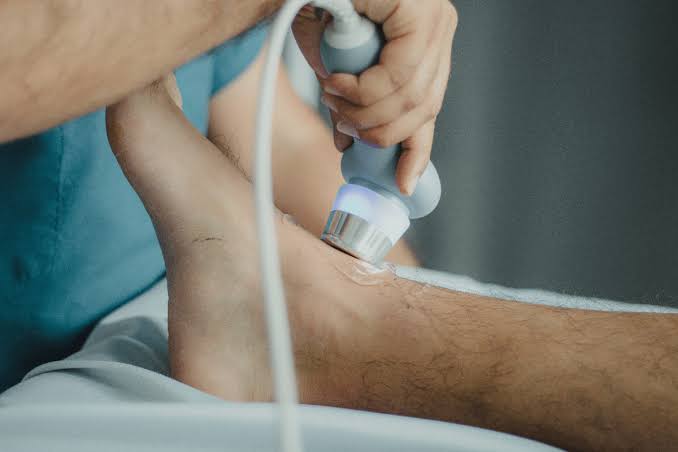
A vein specialist will employ the latest diagnostic equipment, such as ultrasound imaging, to evaluate circulation and will create a treatment plan tailored to the individual patient’s needs.## Conditions Treated by a Vein Specialist in Phoenix
Varicose Veins
Varicose veins are veins that are swollen and twisted, usually in the legs. Pooling of blood within the veins occurs as a result of the malfunction of vein valves.
Common symptoms include:
- Achy or heavy legs
- Edema of the lower extremities
- Throbbing pain
You may notice swelling around the affected veins Veins that are blue or purple
Varicose veins are not just a cosmetic issue, if left untreated they can be linked to more serious problems.
Spider Vein
Spider veins are small veins that can be seen under the skin like a web. Usually they are on the legs and face.
Spider veins are usually painless, but can be a sign of underlying circulation problems that should be evaluated by a vein specialist.
CVD (Chronic Venous Disease)
Chronic Venous Insufficiency (CVI) happens when veins are not working well to send blood back to the heart. Over time, this syndrome can progress and can result in:
- Swelling in legs
- Skin color change
- Tired legs
- Venous ulcers
- Continuous pain
If diagnosed and treated early, problems can be prevented and quality of life improved
Deep Vein Thrombosis (DVT)
Deep Vein Thrombosis is a serious condition that involves a blood clot in a deep vein, usually in the leg.
The signs and symptoms can include:
- Fast swelling
- Leg pain
- Apply heat to the affected area
- Red or discoloration
Blood clots can travel to the lungs and cause potentially life-threatening complications, so DVT requires immediate medical attention.
Peripheral arterial disease (PAD)
PAD affects arteries, not veins, but many vascular specialists diagnose and treat the condition. PAD reduces blood flow to the legs and may cause:
- Walking leg pain
- Cramps
- Loss of sensation Slow wound healing
- Cold legs or feet
Treatment can lower the risk of serious consequences and improve circulation over time.
Symptoms That Tell You It’s Time to See a Vein Specialist
Vein symptoms are often ignored until they are severe. Knowing the early warning signs helps you get treatment before problems develop.”
If you experience: Make an appointment with a Vein Specialist in Phoenix
Chronic Leg Pain
If you often experience pain, cramping or discomfort in the legs, it may be a sign of a vein issue.
Swelling of the ankles or legs If you observe that you have regular or increasing swelling during the day, this could be a sign of circulation problems.
Visible Varicose or Spider Veins
“Any vein that is enlarged, twisted or a bunch of small visible veins should be checked by a professional.
Skin Changes
Darkening of the skin, thickening or discomfort around the ankles may be a sign of chronic venous insufficiency.
Tired legs
If your legs feel heavy or fatigued, particularly after standing for lengthy periods of time, it can be an indication of vein problems.
Non-healing ulcer
If you suffer from poor circulation that causes ulcers or lesions on your legs that heal slowly, you may need to see a specialist for treatment.
Why Vein Problems Are So Common in Phoenix
Residents of Phoenix spend a lot of time outdoors and may spend a lot of time standing or being physically active. Vein disorders may be more common when combined with variables such as aging, obesity, heredity and sedentary lifestyles.
The risk factors of vein disease are:
- Family history of venous disease
- Pregnancy’s
- Obesity.
- Growing old
- Cigarettes
- Hours of sitting or standing
- Lack of exercise
Individuals who have one or more of these risk factors should pay special attention to symptoms and seek examinations as appropriate.
- How Vein Specialists Diagnose Vein Conditions
- The first step to effective treatment is correct diagnosis.
- A specialist in veins will often start with:
- Medical History Review
The specialist will inquire about symptoms, family history, lifestyle choices, and current health conditions.
Physical Examina
A full exam can reveal obvious signs of vein disease and circulation issues.
Ultrasound scanning
Vascular ultrasound is a safe, painless diagnostic technology that enables professionals to evaluate blood flow and spot abnormalities within the veins.
Ultrasound imaging may assist to diagnose:
- Varicose vein
- Blood clots
- Venous insufficiency
- Circulation issues
This technology allows accurate diagnosis and individualized treatment planning.
Phoenix Vein Treatments Offered
Modern vein treatments are incredibly successful and often involve little downtime.
Endovenous Laser Ablation (EVLA)
EVLT uses laser energy to close off the damaged veins and redirect blood flow to healthier veins.
Advantages:
- Minimally invasive method
- A slight inconvenience
- Get well soon hope you get
- High success rate
- Radiofrequency Ablation (RFA)
RFA uses targeted heat to close malfunctioning veins and improve circulation.
Patients usually present with:
- Reduced pain
- Little scarring
- Rapid recovery
- Great long-term results
- Sclerotherapy
Sclerotherapy is commonly used to treat spider veins and small varicose veins.
The operation consists in injecting a special solution into the vein, which makes it collapse and slowly vanish.
Compression Therapy
Compression stockings assist blood to flow better and help to minimize symptoms such as edema and discomfort.
Many patients use compression therapy as part of their total treatment approach.
Lifestyle modification
A vein specialist may suggest:
- Do regular exercise
- Control weight
- legs up wall
- Avoid long periods of standing or sitting
- Compression wear
Such changes can promote long-term vein health and better treatment outcomes.
Advantages of Visiting a Vein Specialist
There are many benefits of getting professional care:
Improved Circulation
Treatment restores healthy blood flow and relieves symptoms of impaired circulation.
Pain Relief
Many patients get considerable relief of pain, tightness and stiffness in the leg.
Reduced Bloating
Treatment may help reduce swelling and improve movement.
Look Better
Getting rid of unsightly veins with removal or repair can increase confidence and attractiveness.
Preventing Complications
Early intervention can minimize the development of ulcers, blood clots and chronic vascular problems.
Better Quality of Life
Patients often report increased activity levels and increased overall comfort after treatment.
Abstract:
Vein disease can be much more than a cosmetic concern, it can affect your comfort, mobility and overall health. Never ignore symptoms such as leg pain, swelling, visible veins, and poor circulation.
Vein specialists in Phoenix are trained to correctly diagnose vein problems and recommend the appropriate treatment options for you. Today’s modern, minimally invasive techniques offer healthier circulation, fewer symptoms and a higher quality of life for patients – with minimal downtime.
If you’re experiencing symptoms of vein disease, a consultation with a vascular specialist is a very important first step in protecting your long-term vascular health.
Frequently Asked Questions FAQ
1. What does a vein doctor do?
A vein specialist offers treatment for varicose veins, spider veins, chronic venous insufficiency, DVT and other blood flow problems.
2. First signs of vein disease?
Common indicators include leg pain, swelling, heaviness, visible veins, and skin discoloration.
3. Do varicose veins pose a risk?
They can lead to complications such as ulcers, blood clots, and persistent discomfort if left untreated.
4. Will treating a vein hurt?
Today, most vein procedures are minimally invasive and relatively painless.
5. How long does vein therapy last?
Most treatments can be completed in 30 to 60 minutes.
6. What are the causes of varicose veins?
Common factors include genetics, aging, pregnancy, obesity and standing for long periods.
7. Are spider veins removable for good?
Treated veins generally stay gone, but new spider veins can still show up over time.
8. Does insurance cover vein therapy?
Most medically necessary vein treatments are covered by insurance plans.
9. How long is recovery after vein treatment?
Most people can get back to their normal routine in a day or two.
10. When To See A Vein Specialist in Phoenix?
If you have leg pain, swelling, bulging veins or signs of poor circulation, you should see a doctor.
Our expert team is available Mon-Fri 8am-5pm MST
Call today: (480) 788-5621
FFREE VEIN SCREENING
Please fill out the form below and a member of our team will promptly contact you!
Follow us on social media!
Leg swelling is a common condition that affects people of different ages and lifestyles. It may appear suddenly or develop gradually over time. Swelling in the legs, ankles, or feet can occur because of fluid buildup, poor circulation, prolonged sitting, or underlying vascular conditions. Many people searching for Leg Swelling Treatment in Phoenix AZ want to understand the causes, symptoms, and available treatment options before the condition worsens.
While mild swelling may improve with rest and lifestyle changes, persistent or painful swelling can sometimes indicate circulation problems or vein-related conditions that require medical evaluation.
What Is Leg Swelling?
Leg swelling, also known as edema, occurs when excess fluid collects in the tissues of the legs, ankles, or feet. Swelling may affect one leg or both and can range from mild puffiness to severe discomfort.
In some cases, swelling is temporary and harmless. However, chronic swelling may be linked to vein disease, poor blood circulation, heart conditions, or lymphatic problems.
Common Symptoms of Leg Swelling
People experiencing leg swelling may notice several symptoms affecting daily movement and comfort.
Symptom |
Description |
Puffiness in legs or ankles |
Visible swelling around the lower legs |
Tight or stretched skin |
Skin may feel firm or shiny |
Leg heaviness |
Difficulty standing or walking for long periods |
Pain or discomfort |
Aching sensation in swollen areas |
Foot swelling |
Swelling extending into the feet and toes |
Skin discoloration |
Redness or darkening of the skin |
Individuals seeking Leg Swelling Treatment in Phoenix AZ often report swelling that becomes worse after sitting or standing for extended periods.
Common Causes of Leg Swelling
Several medical and lifestyle-related factors can contribute to swelling in the legs.
Poor Blood Circulation
Reduced circulation can cause fluid buildup in the lower legs and feet. Poor circulation is commonly associated with vascular disease and vein problems.
Chronic Venous Insufficiency
This condition occurs when leg veins struggle to return blood to the heart efficiently, causing swelling and discomfort.
Varicose Veins
Damaged or enlarged veins may lead to blood pooling in the legs, resulting in swelling and heaviness.
Prolonged Sitting or Standing
Long periods of inactivity can slow blood flow and increase fluid retention in the lower body.
High Sodium Intake
Excess salt may cause the body to retain fluids, leading to swollen legs and feet.
Injury or Inflammation
Sprains, muscle injuries, or inflammation may result in temporary swelling around the affected area.
Lymphedema
Lymphatic blockage may prevent proper fluid drainage and cause chronic swelling in the legs.
When Is Leg Swelling a Serious Problem?
Occasional swelling may not be dangerous, but certain symptoms should not be ignored.
Seek medical attention if swelling is accompanied by:
-
Chest pain
-
Shortness of breath
-
Severe leg pain
-
Sudden swelling in one leg
-
Skin ulcers or discoloration
-
Fever or warmth around the swollen area
Persistent swelling may require professional Leg Swelling Treatment in Phoenix AZ to identify circulation or vascular problems early.
Best Treatment Options for Leg Swelling
Treatment depends on the underlying cause of the swelling. Many cases improve with a combination of lifestyle changes and medical care.
Treatment Option |
Purpose |
Compression stockings |
Improve blood flow and reduce fluid buildup |
Leg elevation |
Helps reduce swelling naturally |
Regular exercise |
Improves circulation and muscle activity |
Reduced sodium intake |
Prevents fluid retention |
Hydration |
Supports healthy circulation |
Vascular treatments |
Helps manage vein-related conditions |
People researching Leg Swelling Treatment in Phoenix AZ often explore non-surgical options that improve circulation and reduce discomfort.
How to Reduce Leg Swelling Naturally
Simple lifestyle changes may help reduce swelling and improve circulation.
Stay Physically Active
Walking and stretching help maintain healthy blood flow.
Elevate Your Legs
Keeping the legs elevated above heart level may reduce fluid buildup.
Drink More Water
Hydration supports proper circulation and reduces fluid retention.
Avoid Sitting Too Long
Taking breaks to move around may help prevent swelling during work or travel.
Wear Comfortable Footwear
Proper footwear may improve circulation and reduce pressure on the legs.
Foods and Drinks That May Help Reduce Swelling
Certain dietary habits may support circulation and reduce fluid retention.
Helpful Foods and Drinks |
Benefit |
Water |
Helps flush excess sodium |
Fruits and vegetables |
Rich in potassium and antioxidants |
Herbal teas |
May support circulation |
Low-sodium foods |
Reduce water retention |
Leafy greens |
Support vascular health |
FAQ Section
Which medicine is best for swollen legs?
The best medication depends on the cause of swelling. Some cases may require treatment for circulation issues, inflammation, or underlying medical conditions.
What vitamin removes swelling in the feet and legs?
Certain vitamins, including vitamin B6 and magnesium-rich nutrients, may help support circulation and reduce fluid retention.
What makes swelling go down fast?
Leg elevation, compression stockings, hydration, and movement may help reduce swelling more quickly.
What medication removes fluid from legs?
Diuretics are sometimes used to reduce fluid buildup, but they should only be taken under medical supervision.
How long does it take to get rid of edema in the legs?
Recovery time depends on the cause and severity of swelling. Mild cases may improve within days, while chronic conditions may require ongoing treatment.
How do I get fluid out of my legs and feet?
Improving circulation through exercise, hydration, compression therapy, and leg elevation may help reduce fluid buildup.
What is a red flag for edema?
Sudden swelling, chest pain, breathing difficulty, or swelling in one leg may indicate a serious medical condition.
What to drink to reduce swelling in legs and feet?
Water, herbal teas, and low-sodium fluids may help reduce swelling and improve circulation.
When should I worry about leg swelling?
You should seek medical attention if swelling becomes severe, painful, persistent, or is accompanied by other unusual symptoms.
Conclusion
Leg swelling can result from poor circulation, vein problems, fluid retention, or lifestyle factors. While occasional swelling may improve with simple changes, persistent symptoms should not be ignored. Understanding the causes and available options for Leg Swelling Treatment in Phoenix AZ can help individuals manage discomfort, improve circulation, and support long-term vascular health.
Our expert team is available Mon-Fri 8am-5pm MST
Call today: (480) 788-5621
FREE VEIN SCREENING
Please fill out the form below and a member of our team will promptly contact you!