Varicose veins and spider veins affect millions of Americans, causing not only cosmetic concerns but also symptoms such as leg pain, swelling, heaviness, and fatigue. Fortunately, advancements in vascular medicine have made treatment more effective and convenient than ever before. One of the most popular solutions available today is laser vein treatment.
For patients seeking a minimally invasive option with excellent results, Laser Vein Treatment Phoenix 2026 has become a preferred choice. This advanced procedure helps eliminate problematic veins, improve circulation, and restore confidence without the need for traditional surgery.
If you’re considering vein treatment in Phoenix, this guide explains everything you need to know about laser vein treatment, including its benefits, how the procedure works, recovery expectations, and why it continues to be one of the leading vein care solutions in 2026.
Understanding Vein Disease
Healthy veins contain valves that help blood flow back to the heart. When these valves weaken or become damaged, blood can pool inside the veins, causing them to enlarge and become visible beneath the skin.
This condition often leads to:
- Varicose veins
- Spider veins
- Leg swelling
- Aching or throbbing pain
- Heavy or tired legs
- Skin discoloration
- Cramping and discomfort
Without treatment, vein disease can progress and potentially lead to more serious complications.
What Is Laser Vein Treatment?
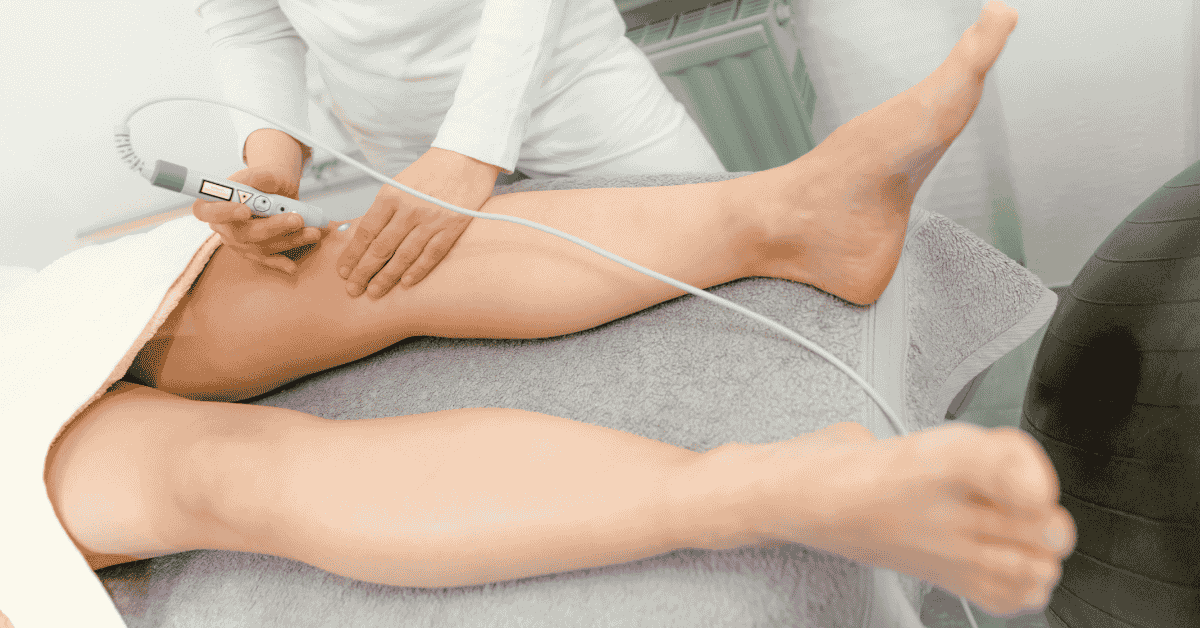
Laser vein treatment is a minimally invasive procedure that uses laser energy to close diseased veins. Once the affected vein is sealed, blood is redirected through healthier veins, improving circulation and reducing symptoms.
Unlike traditional vein surgery, laser treatment requires only a small catheter insertion and local anesthesia. Most procedures are performed in an outpatient setting and allow patients to return home the same day.
Why Patients Choose Laser Vein Treatment
- Minimally invasive
- No large incisions
- Reduced discomfort
- Fast recovery
- Minimal scarring
- High success rates
- Long-lasting results
Because of these benefits, laser treatment remains one of the most commonly recommended solutions for varicose veins in Phoenix.
Why Laser Vein Treatment Is Popular in Phoenix
Phoenix residents often spend significant time outdoors and on their feet, making leg health and mobility important parts of daily life. Long work hours, prolonged standing, genetics, aging, and lifestyle factors can all contribute to vein disease.
As awareness of vein health grows, more patients are seeking treatment before symptoms worsen.
Benefits for Phoenix Patients
- Quick outpatient procedures
- Minimal interruption to daily routines
- Effective symptom relief
- Improved appearance of the legs
- Better overall circulation
- Reduced risk of vein disease complications
For busy professionals, retirees, and active individuals, laser vein treatment provides a practical solution without extensive downtime.
Conditions Treated with Laser Vein Therapy
Laser vein treatment can address several common vein-related conditions.
Varicose Veins
Large, twisted veins that often appear blue or purple beneath the skin.
Chronic Venous Insufficiency
A condition where damaged vein valves prevent proper blood circulation.
Leg Pain and Heaviness
Many patients experience relief from aching and fatigue after treatment.
Swelling in the Legs
Improved blood flow can help reduce fluid buildup and swelling.
Spider Veins
Some forms of laser therapy may also help improve smaller visible veins.
The Laser Vein Treatment Process
Understanding what happens during the procedure can help patients feel more comfortable and prepared.
Step 1: Initial Consultation
The process begins with a comprehensive evaluation by a vein specialist.
During the consultation, your provider may:
- Review your medical history
- Discuss symptoms
- Perform a physical examination
- Conduct ultrasound imaging
Ultrasound technology helps identify the exact veins responsible for symptoms.
Step 2: Personalized Treatment Planning
Based on the evaluation, a customized treatment plan is created.
The specialist will determine:
- Which veins require treatment
- Whether laser therapy is appropriate
- If additional treatments may be beneficial
- Recovery recommendations
Every patient’s condition is unique, making personalized care essential.
Step 3: Procedure Day
Laser vein treatment is typically performed in the office and usually takes less than an hour.
During the Procedure
- Local anesthesia is applied.
- A small catheter is inserted into the affected vein.
- A laser fiber is guided through the vein.
- Laser energy is delivered to seal the vein.
- The catheter is removed.
- A bandage is applied.
Most patients remain awake throughout the procedure and experience minimal discomfort.
Benefits of Laser Vein Treatment
1. Minimally Invasive Procedure
Unlike traditional vein stripping surgery, laser treatment requires only a tiny entry point.
2. Little to No Scarring
Because no large incisions are necessary, visible scarring is minimal.
3. Quick Recovery
Most patients resume normal activities within a day or two.
4. High Success Rate
Laser vein procedures have demonstrated excellent long-term effectiveness.
5. Improved Circulation
Closing damaged veins allows blood to flow through healthier pathways.
6. Reduced Pain and Swelling
Many patients notice significant symptom improvement shortly after treatment.
7. Better Cosmetic Appearance
The reduction of visible veins often boosts confidence and satisfaction.
What to Expect After Laser Vein Treatment
One of the biggest advantages of laser therapy is the relatively easy recovery process.
Immediately After Treatment
Patients are generally encouraged to walk immediately following the procedure.
Walking helps:
- Promote circulation
- Reduce clotting risks
- Support healing
Most individuals can return home shortly afterward.
Recovery Timeline
First 24 Hours
- Mild soreness may occur
- Walking is encouraged
- Most routine activities can continue
First Week
- Minor bruising may develop
- Symptoms gradually improve
- Compression stockings may be recommended
First Month
- Veins continue to close and fade
- Blood flow improves
- Cosmetic improvements become more noticeable
Long-Term Recovery
Many patients enjoy lasting symptom relief and improved vein health for years.
Recovery Tips for Optimal Results
Following your specialist’s recommendations can support a smooth recovery.
Helpful Recovery Tips
- Walk daily
- Stay hydrated
- Avoid prolonged sitting
- Wear compression stockings if instructed
- Avoid heavy lifting initially
- Attend follow-up appointments
- Follow all post-procedure instructions
These simple steps can contribute to better healing and long-term success.
Who Is a Good Candidate for Laser Vein Treatment?
You may be a good candidate if you experience:
- Varicose veins
- Leg pain or heaviness
- Swelling in the lower legs
- Chronic venous insufficiency
- Fatigue after standing
- Visible vein enlargement
- Poor circulation symptoms
A vein specialist can determine whether laser treatment is the most appropriate option for your specific condition.
How to Prevent Future Vein Problems
Although treated veins typically do not return, maintaining healthy habits can help reduce the risk of developing new vein issues.
Vein Health Tips
- Exercise regularly
- Maintain a healthy weight
- Elevate your legs when resting
- Stay hydrated
- Avoid sitting or standing for long periods
- Wear compression garments when recommended
- Eat a balanced diet rich in fiber
Preventive care can play an important role in long-term vascular health.
Why Choose Laser Vein Treatment in 2026?
Medical advancements continue to improve patient outcomes and treatment experiences.
In 2026, laser vein treatment offers:
- Advanced laser technology
- Greater treatment precision
- Enhanced patient comfort
- Faster recovery times
- Proven long-term results
As a result, laser therapy remains one of the leading options for treating varicose veins and chronic vein disease.
Conclusion
If you are struggling with varicose veins, leg discomfort, swelling, or circulation issues, Laser Vein Treatment Phoenix 2026 may provide the relief you’re looking for. This minimally invasive procedure offers a safe, effective, and convenient alternative to traditional surgery while delivering excellent cosmetic and medical results.
With benefits such as minimal downtime, improved circulation, reduced pain, and long-lasting outcomes, laser vein treatment continues to help patients throughout Phoenix regain comfort, confidence, and healthier legs. Consulting with an experienced vein specialist is the first step toward determining the best treatment plan for your individual needs.
Frequently Asked Questions (FAQs)
1. What is laser vein treatment?
Laser vein treatment is a minimally invasive procedure that uses laser energy to close damaged veins and improve circulation.
2. Is laser vein treatment painful?
Most patients experience only mild discomfort because local anesthesia is used during the procedure.
3. How long does the procedure take?
Most laser vein treatments are completed within 30 to 60 minutes.
4. How soon can I return to work?
Many patients return to work and normal activities within one to two days.
5. Is laser vein treatment safe?
Yes. It is a widely used procedure with a strong safety record when performed by qualified vein specialists.
6. Will insurance cover laser vein treatment?
Coverage depends on your insurance provider and whether the treatment is considered medically necessary.
7. How long is the recovery period?
Most patients recover quickly and resume regular activities within a few days.
8. Can laser treatment remove spider veins?
Certain laser therapies can help reduce the appearance of spider veins, depending on the size and location.
9. Are the results permanent?
Treated veins are typically permanently closed, although new vein issues can develop over time.
10. When should I see a vein specialist?
You should seek evaluation if you experience persistent leg pain, swelling, visible veins, heaviness, or other symptoms of vein disease.
Our expert team is available Mon-Fri 8am-5pm MST
Call today: (480) 788-5621
FFREE VEIN SCREENING
Please fill out the form below and a member of our team will promptly contact you!
Follow us on social media!
Leg swelling is a common condition that affects people of different ages and lifestyles. It may appear suddenly or develop gradually over time. Swelling in the legs, ankles, or feet can occur because of fluid buildup, poor circulation, prolonged sitting, or underlying vascular conditions. Many people searching for Leg Swelling Treatment in Phoenix AZ want to understand the causes, symptoms, and available treatment options before the condition worsens.
While mild swelling may improve with rest and lifestyle changes, persistent or painful swelling can sometimes indicate circulation problems or vein-related conditions that require medical evaluation.
What Is Leg Swelling?
Leg swelling, also known as edema, occurs when excess fluid collects in the tissues of the legs, ankles, or feet. Swelling may affect one leg or both and can range from mild puffiness to severe discomfort.
In some cases, swelling is temporary and harmless. However, chronic swelling may be linked to vein disease, poor blood circulation, heart conditions, or lymphatic problems.
Common Symptoms of Leg Swelling
People experiencing leg swelling may notice several symptoms affecting daily movement and comfort.
Symptom |
Description |
Puffiness in legs or ankles |
Visible swelling around the lower legs |
Tight or stretched skin |
Skin may feel firm or shiny |
Leg heaviness |
Difficulty standing or walking for long periods |
Pain or discomfort |
Aching sensation in swollen areas |
Foot swelling |
Swelling extending into the feet and toes |
Skin discoloration |
Redness or darkening of the skin |
Individuals seeking Leg Swelling Treatment in Phoenix AZ often report swelling that becomes worse after sitting or standing for extended periods.
Common Causes of Leg Swelling
Several medical and lifestyle-related factors can contribute to swelling in the legs.
Poor Blood Circulation
Reduced circulation can cause fluid buildup in the lower legs and feet. Poor circulation is commonly associated with vascular disease and vein problems.
Chronic Venous Insufficiency
This condition occurs when leg veins struggle to return blood to the heart efficiently, causing swelling and discomfort.
Varicose Veins
Damaged or enlarged veins may lead to blood pooling in the legs, resulting in swelling and heaviness.
Prolonged Sitting or Standing
Long periods of inactivity can slow blood flow and increase fluid retention in the lower body.
High Sodium Intake
Excess salt may cause the body to retain fluids, leading to swollen legs and feet.
Injury or Inflammation
Sprains, muscle injuries, or inflammation may result in temporary swelling around the affected area.
Lymphedema
Lymphatic blockage may prevent proper fluid drainage and cause chronic swelling in the legs.
When Is Leg Swelling a Serious Problem?
Occasional swelling may not be dangerous, but certain symptoms should not be ignored.
Seek medical attention if swelling is accompanied by:
-
Chest pain
-
Shortness of breath
-
Severe leg pain
-
Sudden swelling in one leg
-
Skin ulcers or discoloration
-
Fever or warmth around the swollen area
Persistent swelling may require professional Leg Swelling Treatment in Phoenix AZ to identify circulation or vascular problems early.
Best Treatment Options for Leg Swelling
Treatment depends on the underlying cause of the swelling. Many cases improve with a combination of lifestyle changes and medical care.
Treatment Option |
Purpose |
Compression stockings |
Improve blood flow and reduce fluid buildup |
Leg elevation |
Helps reduce swelling naturally |
Regular exercise |
Improves circulation and muscle activity |
Reduced sodium intake |
Prevents fluid retention |
Hydration |
Supports healthy circulation |
Vascular treatments |
Helps manage vein-related conditions |
People researching Leg Swelling Treatment in Phoenix AZ often explore non-surgical options that improve circulation and reduce discomfort.
How to Reduce Leg Swelling Naturally
Simple lifestyle changes may help reduce swelling and improve circulation.
Stay Physically Active
Walking and stretching help maintain healthy blood flow.
Elevate Your Legs
Keeping the legs elevated above heart level may reduce fluid buildup.
Drink More Water
Hydration supports proper circulation and reduces fluid retention.
Avoid Sitting Too Long
Taking breaks to move around may help prevent swelling during work or travel.
Wear Comfortable Footwear
Proper footwear may improve circulation and reduce pressure on the legs.
Foods and Drinks That May Help Reduce Swelling
Certain dietary habits may support circulation and reduce fluid retention.
Helpful Foods and Drinks |
Benefit |
Water |
Helps flush excess sodium |
Fruits and vegetables |
Rich in potassium and antioxidants |
Herbal teas |
May support circulation |
Low-sodium foods |
Reduce water retention |
Leafy greens |
Support vascular health |
FAQ Section
Which medicine is best for swollen legs?
The best medication depends on the cause of swelling. Some cases may require treatment for circulation issues, inflammation, or underlying medical conditions.
What vitamin removes swelling in the feet and legs?
Certain vitamins, including vitamin B6 and magnesium-rich nutrients, may help support circulation and reduce fluid retention.
What makes swelling go down fast?
Leg elevation, compression stockings, hydration, and movement may help reduce swelling more quickly.
What medication removes fluid from legs?
Diuretics are sometimes used to reduce fluid buildup, but they should only be taken under medical supervision.
How long does it take to get rid of edema in the legs?
Recovery time depends on the cause and severity of swelling. Mild cases may improve within days, while chronic conditions may require ongoing treatment.
How do I get fluid out of my legs and feet?
Improving circulation through exercise, hydration, compression therapy, and leg elevation may help reduce fluid buildup.
What is a red flag for edema?
Sudden swelling, chest pain, breathing difficulty, or swelling in one leg may indicate a serious medical condition.
What to drink to reduce swelling in legs and feet?
Water, herbal teas, and low-sodium fluids may help reduce swelling and improve circulation.
When should I worry about leg swelling?
You should seek medical attention if swelling becomes severe, painful, persistent, or is accompanied by other unusual symptoms.
Conclusion
Leg swelling can result from poor circulation, vein problems, fluid retention, or lifestyle factors. While occasional swelling may improve with simple changes, persistent symptoms should not be ignored. Understanding the causes and available options for Leg Swelling Treatment in Phoenix AZ can help individuals manage discomfort, improve circulation, and support long-term vascular health.
Our expert team is available Mon-Fri 8am-5pm MST
Call today: (480) 788-5621
FREE VEIN SCREENING
Please fill out the form below and a member of our team will promptly contact you!