Blood circulation plays a major role in overall health. When arteries or veins stop functioning properly, the body may begin showing warning signs such as leg pain, swelling, numbness, skin discoloration, or visible veins. Many people ignore these symptoms until they become severe, but early medical attention can help prevent serious complications.
A Vascular Specialist in Phoenix focuses on diagnosing and treating conditions that affect blood vessels, including arteries, veins, and circulation-related disorders. Whether someone is dealing with varicose veins, peripheral artery disease, blood clots, or poor circulation, specialised vascular care can improve both health and quality of life.
In this blog, we’ll explain what a vascular specialist does, the conditions they treat, common symptoms you should never ignore, and when it may be time to schedule an appointment.
What Is a Vascular Specialist?
A Vascular Specialist in Phoenix is a medical professional trained to diagnose and treat conditions involving the vascular system. The vascular system includes:
- Arteries
- Veins
- Blood vessels
- Ciratory pathways throughout the body
These specialists help improve blood flow and treat circulation-related conditions using both non-surgical and minimally invasive treatment methods.
Vascular specialists commonly treat conditions affecting:
- Legs
- Feet
- Arms
- Neck
- Abdomen
Early diagnosis and treatment are important because poor circulation can lead to serious health complications if ignored.
Common Conditions Treated by a Vascular Specialist in Phoenix
Vascular specialists manage a wide range of circulation and vein-related conditions.
Varicose Veins
Varicose veins are enlarged, twisted veins usually visible on the legs. They may cause:
- Aching pain
- Swelling
- Heaviness in the legs
- Skin irritation
Many patients seek treatment for both cosmetic and medical reasons.
Spider Veins
Spider veins are smaller damaged veins that appear close to the surface of the skin. Although often harmless, they may indicate underlying circulation problems.
Peripheral Artery Disease (PAD)
Peripheral Artery Disease occurs when narrowed arteries reduce blood flow to the legs. Symptoms may include:
- Leg pain while walking
- Numbness
- Cold feet
- Slow-healing wounds
PAD should never be ignored because it increases the risk of stroke and heart disease.
Deep Vein Thrombosis (DVT)
DVT occurs when blood clots form in deep veins, usually in the legs. This condition can become dangerous if the clot travels to the lungs.
Chronic Venous Insufficiency
This condition develops when veins struggle to return blood properly to the heart, causing swelling, discomfort, and skin changes.
Poor Blood Circulation
Reduced circulation can affect overall mobility, comfort, and tissue health.
Signs You Should See a Vascular Specialist in Phoenix
Many vascular conditions develop slowly, making early symptoms easy to overlook. However, certain warning signs should never be ignored.
Leg Pain While Walking
Pain or cramping during walking may indicate restricted blood flow caused by Peripheral Artery Disease.
Swelling in the Legs or Feet
Persistent swelling may signal vein dysfunction or circulation problems.
Visible Veins
Bulging or twisted veins are common signs of varicose veins and chronic venous disease.
Numbness or Tingling
Poor circulation can reduce oxygen delivery to nerves and tissues.
Skin Colour Changes
Discoloured, pale, or bluish skin may indicate circulation issues.
Slow-Healing Wounds
Cuts or sores that heal slowly may be caused by reduced blood flow.
Cold Feet or Legs
One leg feeling colder than the other may suggest arterial blockage.
Table: Common Vascular Symptoms and Possible Conditions
| Symptom | Possible Condition |
| Leg pain while walking | Peripheral Artery Disease |
| Swollen legs | Chronic Venous Insufficiency |
| Visible twisted veins | Varicose Veins |
| Numbness or tingling | Poor blood circulation |
| Slow-healing wounds | Arterial blockage |
| Skin discoloration | Vein disease or PAD |
Why Early Vascular Treatment Matters
Ignoring circulation problems can lead to serious complications over time.
Untreated vascular conditions may increase the risk of:
- Blood clots
- Leg ulcers
- Infection
- Tissue damage
- Stroke
- Heart attack
- Reduced mobility
Early diagnosis from a Vascular Specialist in Phoenix can help prevent these complications while improving circulation and overall health.
Benefits of Seeing a Vascular Specialist in Phoenix
Professional vascular care offers many important health benefits.
Accurate Diagnosis
Specialists use advanced testing and imaging to identify the exact cause of circulation problems.
Personalised Treatment Plans
Each patient receives a treatment plan based on their symptoms, medical history, and vascular condition.
Improved Blood Flow
Treatment helps restore healthy circulation and reduce discomfort.
Reduced Risk of Complications
Early treatment lowers the chances of serious vascular complications.
Minimally Invasive Treatment Options
Many vascular conditions can now be treated without major surgery.
How Vascular Conditions Are Diagnosed
A Vascular Specialist in Phoenix may use several diagnostic methods.
Physical Examination
Doctors examine symptoms such as swelling, skin changes, and visible veins.
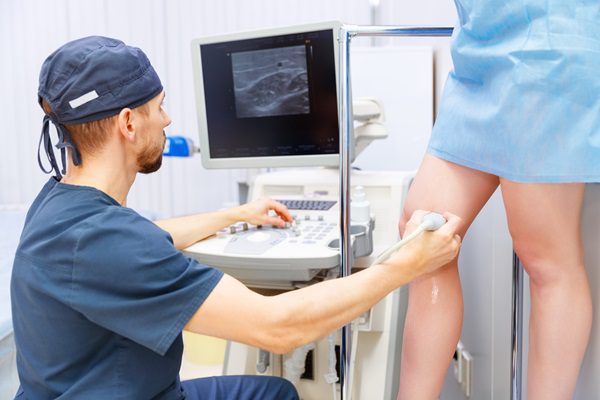
Ultrasound Imaging
Ultrasound helps evaluate blood flow and detect blockages or clots.
Ankle-Brachial Index (ABI)
This test compares blood pressure in the arms and legs to identify circulation problems.
CT or Angiography Imaging
Advanced imaging may be used for more detailed vascular analysis.
Treatment Options Offered by Vascular Specialists
Treatment depends on the severity of the condition and the patient’s overall health.
Lifestyle Changes
Doctors often recommend:
- Exercise
- Weight management
- Smoking cessation
- Compression stockings
- Healthy eating habits
These changes can improve circulation naturally.
Medications
Medication may help:
- Prevent blood clots
- Lower cholesterol
- Improve blood flow
- Reduce inflammation
Minimally Invasive Procedures
Modern vascular care often includes treatments such as:
- Sclerotherapy
- Endovenous laser treatment
- Angioplasty
- Stent placement
- Vein ablation
These procedures usually involve shorter recovery times compared to traditional surgery.
Risk Factors for Vascular Disease
Several factors increase the risk of circulation and vein-related problems.
Common risk factors include:
- Smoking
- Diabetes
- High blood pressure
- High cholesterol
- Obesity
- Family history
- Ageing
- Lack of physical activity
People with multiple risk factors should consider regular vascular evaluations.
Choosing the Right Vascular Specialist in Phoenix
Selecting an experienced vascular specialist is important for proper diagnosis and treatment.
Patients should consider:
- Experience treating vascular conditions
- Availability of minimally invasive treatments
- Patient reviews
- Diagnostic technology
- Communication and patient care approach
A trusted healthcare provider can improve treatment outcomes and long-term vascular health.
Final Thoughts
Circulation problems should never be ignored, especially when symptoms begin affecting comfort, mobility, or daily activities. A Vascular Specialist in Phoenix can help diagnose the root cause of vein and circulation problems while offering personalised treatment options designed to improve blood flow and overall health.
Whether you are experiencing leg pain, swelling, visible veins, or numbness, early medical attention can help prevent serious complications and improve quality of life.
Seeking professional vascular care early often leads to better recovery outcomes and long-term health improvements.
Frequently Asked Questions (FAQs)
What does a Vascular Specialist in Phoenix treat?
Vascular specialists treat conditions involving arteries, veins, blood flow, varicose veins, Peripheral Artery Disease, blood clots, and circulation disorders.
When should I see a vascular specialist?
You should seek care if you experience leg pain, swelling, numbness, visible veins, poor circulation, or slow-healing wounds.
Are varicose veins dangerous?
Some varicose veins are mainly cosmetic, but others may cause pain, swelling, or circulation complications if untreated.
What causes poor blood circulation?
Poor circulation may result from blocked arteries, vein disease, diabetes, smoking, obesity, or lack of physical activity.
Can vascular problems be treated without surgery?
Yes, many vascular conditions can be treated using minimally invasive procedures and lifestyle changes.
What is Peripheral Artery Disease?
Peripheral Artery Disease is a condition where narrowed arteries reduce blood flow to the legs.
Is vascular treatment painful?
Most modern vascular procedures are minimally invasive and involve limited discomfort and shorter recovery times.
How can I improve my vascular health naturally?
Regular exercise, healthy eating, weight management, and avoiding smoking can help improve circulation and vascular health.
Our expert team is available Mon-Fri 8am-5pm MST
Call today: (480) 788-5621
FFREE VEIN SCREENING
Please fill out the form below and a member of our team will promptly contact you!
Follow us on social media!
Leg swelling is a common condition that affects people of different ages and lifestyles. It may appear suddenly or develop gradually over time. Swelling in the legs, ankles, or feet can occur because of fluid buildup, poor circulation, prolonged sitting, or underlying vascular conditions. Many people searching for Leg Swelling Treatment in Phoenix AZ want to understand the causes, symptoms, and available treatment options before the condition worsens.
While mild swelling may improve with rest and lifestyle changes, persistent or painful swelling can sometimes indicate circulation problems or vein-related conditions that require medical evaluation.
What Is Leg Swelling?
Leg swelling, also known as edema, occurs when excess fluid collects in the tissues of the legs, ankles, or feet. Swelling may affect one leg or both and can range from mild puffiness to severe discomfort.
In some cases, swelling is temporary and harmless. However, chronic swelling may be linked to vein disease, poor blood circulation, heart conditions, or lymphatic problems.
Common Symptoms of Leg Swelling
People experiencing leg swelling may notice several symptoms affecting daily movement and comfort.
Symptom |
Description |
Puffiness in legs or ankles |
Visible swelling around the lower legs |
Tight or stretched skin |
Skin may feel firm or shiny |
Leg heaviness |
Difficulty standing or walking for long periods |
Pain or discomfort |
Aching sensation in swollen areas |
Foot swelling |
Swelling extending into the feet and toes |
Skin discoloration |
Redness or darkening of the skin |
Individuals seeking Leg Swelling Treatment in Phoenix AZ often report swelling that becomes worse after sitting or standing for extended periods.
Common Causes of Leg Swelling
Several medical and lifestyle-related factors can contribute to swelling in the legs.
Poor Blood Circulation
Reduced circulation can cause fluid buildup in the lower legs and feet. Poor circulation is commonly associated with vascular disease and vein problems.
Chronic Venous Insufficiency
This condition occurs when leg veins struggle to return blood to the heart efficiently, causing swelling and discomfort.
Varicose Veins
Damaged or enlarged veins may lead to blood pooling in the legs, resulting in swelling and heaviness.
Prolonged Sitting or Standing
Long periods of inactivity can slow blood flow and increase fluid retention in the lower body.
High Sodium Intake
Excess salt may cause the body to retain fluids, leading to swollen legs and feet.
Injury or Inflammation
Sprains, muscle injuries, or inflammation may result in temporary swelling around the affected area.
Lymphedema
Lymphatic blockage may prevent proper fluid drainage and cause chronic swelling in the legs.
When Is Leg Swelling a Serious Problem?
Occasional swelling may not be dangerous, but certain symptoms should not be ignored.
Seek medical attention if swelling is accompanied by:
-
Chest pain
-
Shortness of breath
-
Severe leg pain
-
Sudden swelling in one leg
-
Skin ulcers or discoloration
-
Fever or warmth around the swollen area
Persistent swelling may require professional Leg Swelling Treatment in Phoenix AZ to identify circulation or vascular problems early.
Best Treatment Options for Leg Swelling
Treatment depends on the underlying cause of the swelling. Many cases improve with a combination of lifestyle changes and medical care.
Treatment Option |
Purpose |
Compression stockings |
Improve blood flow and reduce fluid buildup |
Leg elevation |
Helps reduce swelling naturally |
Regular exercise |
Improves circulation and muscle activity |
Reduced sodium intake |
Prevents fluid retention |
Hydration |
Supports healthy circulation |
Vascular treatments |
Helps manage vein-related conditions |
People researching Leg Swelling Treatment in Phoenix AZ often explore non-surgical options that improve circulation and reduce discomfort.
How to Reduce Leg Swelling Naturally
Simple lifestyle changes may help reduce swelling and improve circulation.
Stay Physically Active
Walking and stretching help maintain healthy blood flow.
Elevate Your Legs
Keeping the legs elevated above heart level may reduce fluid buildup.
Drink More Water
Hydration supports proper circulation and reduces fluid retention.
Avoid Sitting Too Long
Taking breaks to move around may help prevent swelling during work or travel.
Wear Comfortable Footwear
Proper footwear may improve circulation and reduce pressure on the legs.
Foods and Drinks That May Help Reduce Swelling
Certain dietary habits may support circulation and reduce fluid retention.
Helpful Foods and Drinks |
Benefit |
Water |
Helps flush excess sodium |
Fruits and vegetables |
Rich in potassium and antioxidants |
Herbal teas |
May support circulation |
Low-sodium foods |
Reduce water retention |
Leafy greens |
Support vascular health |
FAQ Section
Which medicine is best for swollen legs?
The best medication depends on the cause of swelling. Some cases may require treatment for circulation issues, inflammation, or underlying medical conditions.
What vitamin removes swelling in the feet and legs?
Certain vitamins, including vitamin B6 and magnesium-rich nutrients, may help support circulation and reduce fluid retention.
What makes swelling go down fast?
Leg elevation, compression stockings, hydration, and movement may help reduce swelling more quickly.
What medication removes fluid from legs?
Diuretics are sometimes used to reduce fluid buildup, but they should only be taken under medical supervision.
How long does it take to get rid of edema in the legs?
Recovery time depends on the cause and severity of swelling. Mild cases may improve within days, while chronic conditions may require ongoing treatment.
How do I get fluid out of my legs and feet?
Improving circulation through exercise, hydration, compression therapy, and leg elevation may help reduce fluid buildup.
What is a red flag for edema?
Sudden swelling, chest pain, breathing difficulty, or swelling in one leg may indicate a serious medical condition.
What to drink to reduce swelling in legs and feet?
Water, herbal teas, and low-sodium fluids may help reduce swelling and improve circulation.
When should I worry about leg swelling?
You should seek medical attention if swelling becomes severe, painful, persistent, or is accompanied by other unusual symptoms.
Conclusion
Leg swelling can result from poor circulation, vein problems, fluid retention, or lifestyle factors. While occasional swelling may improve with simple changes, persistent symptoms should not be ignored. Understanding the causes and available options for Leg Swelling Treatment in Phoenix AZ can help individuals manage discomfort, improve circulation, and support long-term vascular health.
Our expert team is available Mon-Fri 8am-5pm MST
Call today: (480) 788-5621
FREE VEIN SCREENING
Please fill out the form below and a member of our team will promptly contact you!