Vein-related conditions such as varicose veins, spider veins, chronic leg swelling, and poor circulation affect millions of people every year. While many individuals once believed surgery was the only option for treating vein problems, modern healthcare has changed significantly in recent years.
Today, many vascular specialists are using advanced Minimally Invasive Vein Treatment options that help patients experience faster recovery, reduced discomfort, and less downtime compared to traditional surgical procedures.
As awareness continues to grow, more patients are exploring Non-Surgical Vein Treatment options to improve both vascular health and daily comfort without lengthy hospital stays or major surgery.
Understanding Vein Disease
Veins play an important role in carrying blood back to the heart. When vein valves become weak or damaged, blood may begin pooling in the legs instead of flowing properly. This can lead to various vascular conditions that worsen over time if left untreated.
Common vein-related conditions include:
- Varicose veins
- Spider veins
- Chronic venous insufficiency
- Leg swelling
- Poor circulation
- Deep vein issues
- Leg heaviness and fatigue
Many patients initially ignore mild symptoms, but vascular specialists often recommend early evaluation before symptoms become more severe.
Common Symptoms of Vein Problems
Vein disease symptoms can vary from mild cosmetic concerns to more serious circulation issues.
Common symptoms may include:
- Swollen legs or ankles
- Aching or heavy legs
- Visible twisted veins
- Burning or throbbing sensations
- Leg cramps, especially at night
- Skin discoloration
- Itching around veins
- Fatigue after standing for long periods
People experiencing ongoing circulation-related symptoms often seek Minimally Invasive Vein Treatment to improve mobility and daily comfort.
What Is Minimally Invasive Vein Treatment?
Minimally Invasive Vein Treatment refers to advanced medical procedures designed to treat vein conditions using smaller incisions, targeted therapies, and modern technology instead of traditional open surgery.
These procedures are typically performed in outpatient settings and often require little to no hospital recovery time.
The goal of minimally invasive treatment is to:
- Improve blood circulation
- Reduce pain and swelling
- Minimise recovery time
- Improve appearance of veins
- Prevent worsening vein disease
Many patients prefer these treatments because they allow a quicker return to normal activities.
Popular Non-Surgical Vein Treatment Options
Modern vascular clinics now offer several effective Non-Surgical Vein Treatment methods depending on the severity of the condition.
Endovenous Laser Therapy (EVLT)
This procedure uses laser energy to close damaged veins and redirect blood flow to healthier veins.
Benefits may include:
- Minimal discomfort
- Faster recovery
- Small incision size
- Reduced scarring
Radiofrequency Ablation (RFA)
RFA uses heat generated by radiofrequency energy to seal problematic veins.
Patients often choose this treatment because it typically involves:
- Short procedure times
- Minimal downtime
- Local anaesthesia instead of general anaesthesia
Sclerotherapy
Sclerotherapy involves injecting a special solution into damaged veins, causing them to collapse and gradually fade.
This treatment is commonly used for:
- Spider veins
- Small varicose veins
- Cosmetic vein concerns
Compression Therapy
Compression stockings may help improve circulation and reduce swelling, especially during early-stage vein disease or recovery.
Why Patients Prefer Minimally Invasive Procedures
Traditional vein surgery often required longer recovery periods, larger incisions, and more physical discomfort.
Modern Minimally Invasive Vein Treatment options are becoming increasingly popular because they typically offer:
| Benefit | Why It Matters |
| Faster Recovery | Most patients return to normal activities quickly |
| Minimal Scarring | Smaller incisions improve cosmetic results |
| Less Pain | Reduced discomfort during and after treatment |
| Outpatient Procedures | No lengthy hospital stays required |
| Shorter Downtime | Patients often resume work sooner |
| Improved Circulation | Helps restore healthier blood flow |
| Lower Risk of Complications | Minimally invasive methods are generally safer |
These advantages have made Non-Surgical Vein Treatment a preferred choice for many individuals dealing with vein disease.
How Early Treatment Can Prevent Complications
Ignoring vein disease may lead to worsening circulation problems over time. In some cases, untreated vein conditions can increase the risk of complications such as:
- Skin ulcers
- Blood clots
- Chronic swelling
- Skin discoloration
- Increased pain and discomfort
Early diagnosis and treatment may help reduce the likelihood of long-term vascular complications.
Healthcare professionals often encourage patients to seek medical evaluation if symptoms continue worsening or interfere with daily activities.
Who May Benefit From Vein Treatment?
Several factors may increase the likelihood of developing vein disease.
Risk factors include:
- Standing for long periods
- Ageing
- Pregnancy
- Obesity
- Family history of vein disease
- Sedentary lifestyle
- Smoking
- Poor circulation
People experiencing persistent symptoms often explore Minimally Invasive Vein Treatment to improve both comfort and circulation.
Recovery After Non-Surgical Vein Treatment
One reason minimally invasive procedures continue gaining popularity is the relatively quick recovery process.
Many patients are able to:
- Walk immediately after treatment
- Return to light activities within a day
- Resume work within a short period
- Experience gradual symptom improvement over time
Doctors may recommend walking regularly, wearing compression stockings, and avoiding prolonged sitting during recovery.
Compared to traditional surgery, Non-Surgical Vein Treatment often causes less physical disruption and shorter healing times.
The Importance of Seeing a Vascular Specialist
Vein disease symptoms can sometimes resemble other medical conditions, which is why proper diagnosis is important.
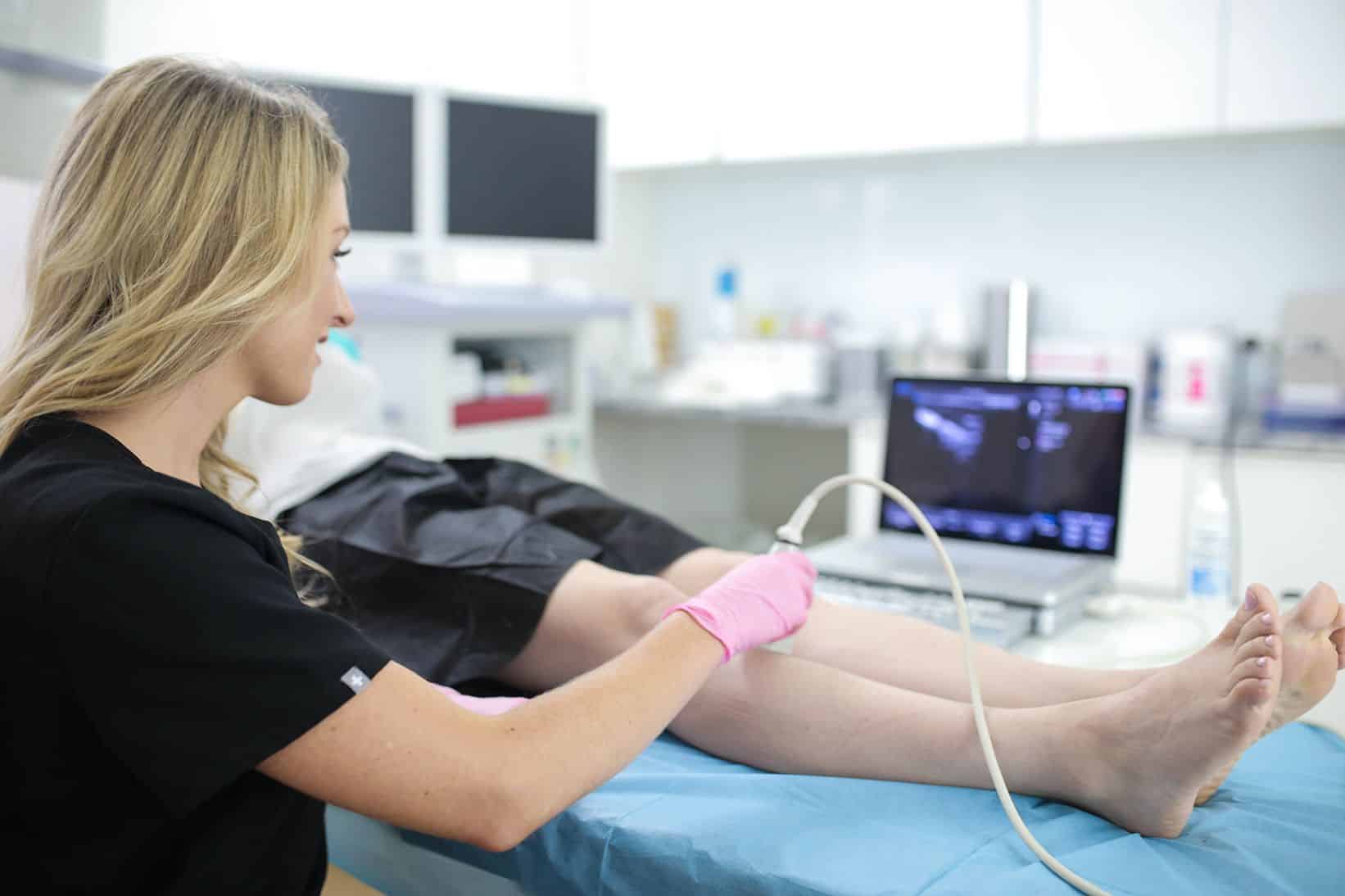
A vascular specialist may use ultrasound imaging and circulation testing to determine the most appropriate treatment plan based on the patient’s symptoms and vein health.
Seeking professional evaluation early may help improve treatment success and prevent symptoms from becoming more severe.
Final Thoughts
Modern advancements in vascular care have made treating vein disease more comfortable and accessible than ever before. Instead of relying only on traditional surgery, many patients are now choosing Minimally Invasive Vein Treatment options that provide effective results with faster recovery times and less downtime.
From varicose veins to circulation-related discomfort, Non-Surgical Vein Treatment methods continue helping patients improve mobility, reduce pain, and return to everyday activities more comfortably.
Early diagnosis and timely treatment can play an important role in maintaining healthy circulation and preventing future complications.
Frequently Asked Questions (FAQs)
What is minimally invasive vein treatment?
Minimally Invasive Vein Treatment uses advanced medical procedures to treat vein conditions with smaller incisions, less discomfort, and faster recovery compared to traditional surgery.
What conditions can non-surgical vein treatment help treat?
Non-Surgical Vein Treatment may help treat:
- Varicose veins
- Spider veins
- Chronic venous insufficiency
- Leg swelling
- Poor circulation
Is minimally invasive vein treatment painful?
Most minimally invasive procedures involve minimal discomfort and are often performed using local anaesthesia.
How long does recovery take after vein treatment?
Many patients return to normal daily activities within a few days, depending on the type of treatment performed.
Are minimally invasive vein procedures safe?
These procedures are generally considered safe when performed by qualified vascular specialists, with lower risks compared to traditional surgery.
Can vein disease become worse if left untreated?
Yes, untreated vein disease may lead to worsening pain, swelling, skin changes, ulcers, or circulation problems over time.
What are the benefits of non-surgical vein treatment?
Benefits may include:
- Faster recovery
- Less pain
- Minimal scarring
- Shorter downtime
- Improved circulation
Who is at higher risk for vein disease?
Risk factors include ageing, obesity, pregnancy, standing for long periods, family history, smoking, and poor circulation.
Our expert team is available Mon-Fri 8am-5pm MST
Call today: (480) 788-5621
FFREE VEIN SCREENING
Please fill out the form below and a member of our team will promptly contact you!
Follow us on social media!
Leg swelling is a common condition that affects people of different ages and lifestyles. It may appear suddenly or develop gradually over time. Swelling in the legs, ankles, or feet can occur because of fluid buildup, poor circulation, prolonged sitting, or underlying vascular conditions. Many people searching for Leg Swelling Treatment in Phoenix AZ want to understand the causes, symptoms, and available treatment options before the condition worsens.
While mild swelling may improve with rest and lifestyle changes, persistent or painful swelling can sometimes indicate circulation problems or vein-related conditions that require medical evaluation.
What Is Leg Swelling?
Leg swelling, also known as edema, occurs when excess fluid collects in the tissues of the legs, ankles, or feet. Swelling may affect one leg or both and can range from mild puffiness to severe discomfort.
In some cases, swelling is temporary and harmless. However, chronic swelling may be linked to vein disease, poor blood circulation, heart conditions, or lymphatic problems.
Common Symptoms of Leg Swelling
People experiencing leg swelling may notice several symptoms affecting daily movement and comfort.
Symptom |
Description |
Puffiness in legs or ankles |
Visible swelling around the lower legs |
Tight or stretched skin |
Skin may feel firm or shiny |
Leg heaviness |
Difficulty standing or walking for long periods |
Pain or discomfort |
Aching sensation in swollen areas |
Foot swelling |
Swelling extending into the feet and toes |
Skin discoloration |
Redness or darkening of the skin |
Individuals seeking Leg Swelling Treatment in Phoenix AZ often report swelling that becomes worse after sitting or standing for extended periods.
Common Causes of Leg Swelling
Several medical and lifestyle-related factors can contribute to swelling in the legs.
Poor Blood Circulation
Reduced circulation can cause fluid buildup in the lower legs and feet. Poor circulation is commonly associated with vascular disease and vein problems.
Chronic Venous Insufficiency
This condition occurs when leg veins struggle to return blood to the heart efficiently, causing swelling and discomfort.
Varicose Veins
Damaged or enlarged veins may lead to blood pooling in the legs, resulting in swelling and heaviness.
Prolonged Sitting or Standing
Long periods of inactivity can slow blood flow and increase fluid retention in the lower body.
High Sodium Intake
Excess salt may cause the body to retain fluids, leading to swollen legs and feet.
Injury or Inflammation
Sprains, muscle injuries, or inflammation may result in temporary swelling around the affected area.
Lymphedema
Lymphatic blockage may prevent proper fluid drainage and cause chronic swelling in the legs.
When Is Leg Swelling a Serious Problem?
Occasional swelling may not be dangerous, but certain symptoms should not be ignored.
Seek medical attention if swelling is accompanied by:
-
Chest pain
-
Shortness of breath
-
Severe leg pain
-
Sudden swelling in one leg
-
Skin ulcers or discoloration
-
Fever or warmth around the swollen area
Persistent swelling may require professional Leg Swelling Treatment in Phoenix AZ to identify circulation or vascular problems early.
Best Treatment Options for Leg Swelling
Treatment depends on the underlying cause of the swelling. Many cases improve with a combination of lifestyle changes and medical care.
Treatment Option |
Purpose |
Compression stockings |
Improve blood flow and reduce fluid buildup |
Leg elevation |
Helps reduce swelling naturally |
Regular exercise |
Improves circulation and muscle activity |
Reduced sodium intake |
Prevents fluid retention |
Hydration |
Supports healthy circulation |
Vascular treatments |
Helps manage vein-related conditions |
People researching Leg Swelling Treatment in Phoenix AZ often explore non-surgical options that improve circulation and reduce discomfort.
How to Reduce Leg Swelling Naturally
Simple lifestyle changes may help reduce swelling and improve circulation.
Stay Physically Active
Walking and stretching help maintain healthy blood flow.
Elevate Your Legs
Keeping the legs elevated above heart level may reduce fluid buildup.
Drink More Water
Hydration supports proper circulation and reduces fluid retention.
Avoid Sitting Too Long
Taking breaks to move around may help prevent swelling during work or travel.
Wear Comfortable Footwear
Proper footwear may improve circulation and reduce pressure on the legs.
Foods and Drinks That May Help Reduce Swelling
Certain dietary habits may support circulation and reduce fluid retention.
Helpful Foods and Drinks |
Benefit |
Water |
Helps flush excess sodium |
Fruits and vegetables |
Rich in potassium and antioxidants |
Herbal teas |
May support circulation |
Low-sodium foods |
Reduce water retention |
Leafy greens |
Support vascular health |
FAQ Section
Which medicine is best for swollen legs?
The best medication depends on the cause of swelling. Some cases may require treatment for circulation issues, inflammation, or underlying medical conditions.
What vitamin removes swelling in the feet and legs?
Certain vitamins, including vitamin B6 and magnesium-rich nutrients, may help support circulation and reduce fluid retention.
What makes swelling go down fast?
Leg elevation, compression stockings, hydration, and movement may help reduce swelling more quickly.
What medication removes fluid from legs?
Diuretics are sometimes used to reduce fluid buildup, but they should only be taken under medical supervision.
How long does it take to get rid of edema in the legs?
Recovery time depends on the cause and severity of swelling. Mild cases may improve within days, while chronic conditions may require ongoing treatment.
How do I get fluid out of my legs and feet?
Improving circulation through exercise, hydration, compression therapy, and leg elevation may help reduce fluid buildup.
What is a red flag for edema?
Sudden swelling, chest pain, breathing difficulty, or swelling in one leg may indicate a serious medical condition.
What to drink to reduce swelling in legs and feet?
Water, herbal teas, and low-sodium fluids may help reduce swelling and improve circulation.
When should I worry about leg swelling?
You should seek medical attention if swelling becomes severe, painful, persistent, or is accompanied by other unusual symptoms.
Conclusion
Leg swelling can result from poor circulation, vein problems, fluid retention, or lifestyle factors. While occasional swelling may improve with simple changes, persistent symptoms should not be ignored. Understanding the causes and available options for Leg Swelling Treatment in Phoenix AZ can help individuals manage discomfort, improve circulation, and support long-term vascular health.
Our expert team is available Mon-Fri 8am-5pm MST
Call today: (480) 788-5621
FREE VEIN SCREENING
Please fill out the form below and a member of our team will promptly contact you!