For many people, vein concerns start with appearance.
A small spider vein. A slightly visible bulge. Something you notice — but don’t worry about.
Over time, that can change.
At Laser Vascular Center, we often help patients understand when a cosmetic issue becomes a medical condition.
The Cosmetic Stage
In early stages, vein issues may appear as:
- Spider veins
- Mild discoloration
- Small visible veins
At this point, symptoms may be minimal or nonexistent.
The Transition Phase
As vein function declines, symptoms begin to develop:
- Leg heaviness
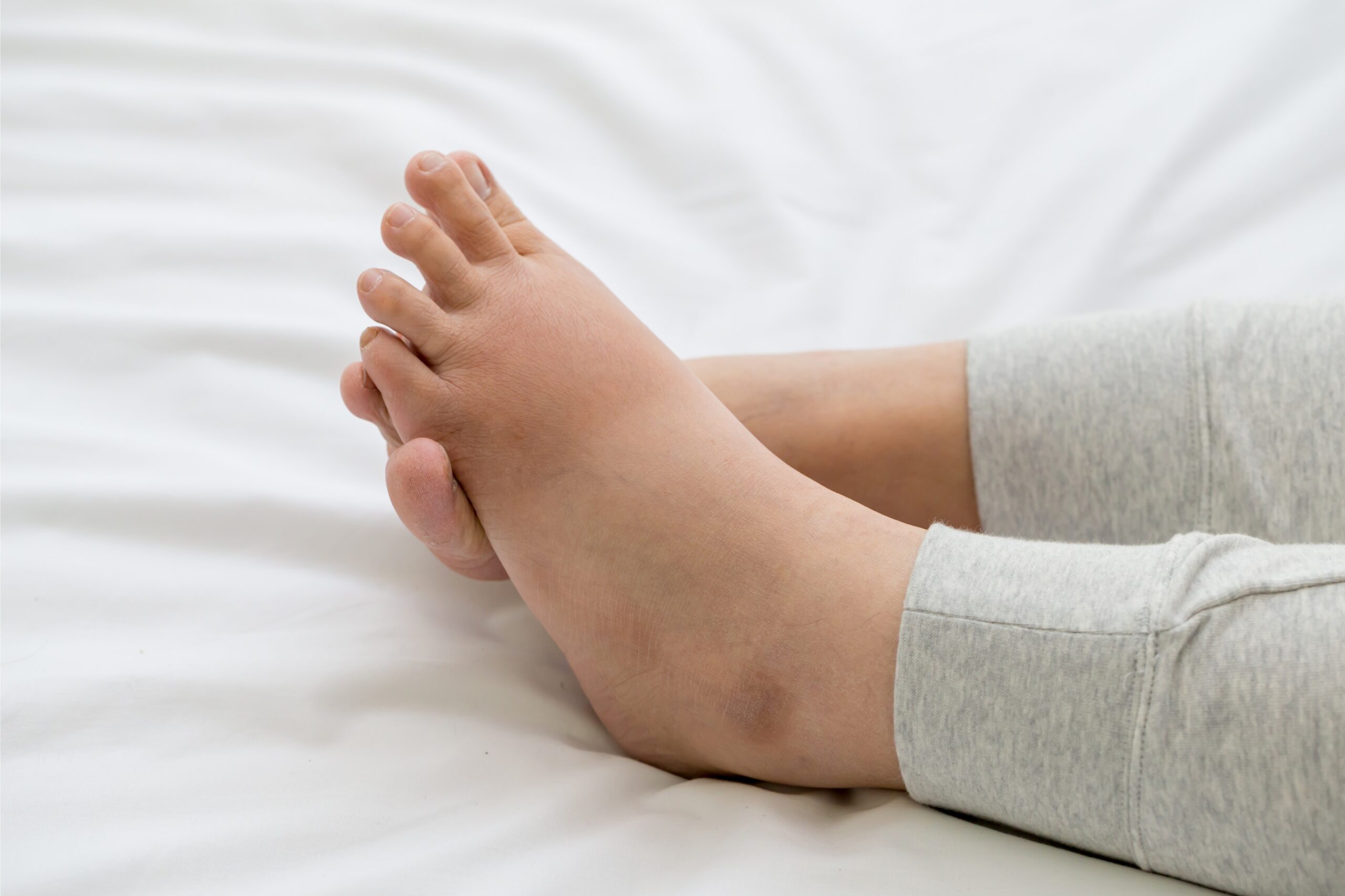
- Swelling
- Aching or throbbing
- Fatigue
This is where many patients begin to realize something more is happening.
The Medical Stage
Without treatment, vein disease can progress into:
- Chronic swelling
- Skin changes
- Thickened tissue
- Venous ulcers
At this stage, the condition clearly affects health — not just appearance.
Why the Transition Matters
The earlier you address vein issues, the easier they are to treat.
Waiting until symptoms become severe can mean:
- More complex treatment
- Longer recovery
- Increased risk of complications
Bridging Cosmetic and Medical Care
Laser Vascular Center specializes in both:
- Improving vein appearance
- Treating underlying circulation issues
This dual approach ensures patients achieve both aesthetic and medical outcomes.
Don’t Wait for It to Become a Problem
If you’re noticing visible veins — even without symptoms — it may be worth evaluating.
What looks cosmetic today could become medical tomorrow.
Understanding the difference gives you the power to act early.
Our expert team is available Mon-Fri 8am-5pm MST
Call today: (480) 788-5621
FFREE VEIN SCREENING
Please fill out the form below and a member of our team will promptly contact you!
Follow us on social media!
Leg swelling is a common condition that affects people of different ages and lifestyles. It may appear suddenly or develop gradually over time. Swelling in the legs, ankles, or feet can occur because of fluid buildup, poor circulation, prolonged sitting, or underlying vascular conditions. Many people searching for Leg Swelling Treatment in Phoenix AZ want to understand the causes, symptoms, and available treatment options before the condition worsens.
While mild swelling may improve with rest and lifestyle changes, persistent or painful swelling can sometimes indicate circulation problems or vein-related conditions that require medical evaluation.
What Is Leg Swelling?
Leg swelling, also known as edema, occurs when excess fluid collects in the tissues of the legs, ankles, or feet. Swelling may affect one leg or both and can range from mild puffiness to severe discomfort.
In some cases, swelling is temporary and harmless. However, chronic swelling may be linked to vein disease, poor blood circulation, heart conditions, or lymphatic problems.
Common Symptoms of Leg Swelling
People experiencing leg swelling may notice several symptoms affecting daily movement and comfort.
Symptom |
Description |
Puffiness in legs or ankles |
Visible swelling around the lower legs |
Tight or stretched skin |
Skin may feel firm or shiny |
Leg heaviness |
Difficulty standing or walking for long periods |
Pain or discomfort |
Aching sensation in swollen areas |
Foot swelling |
Swelling extending into the feet and toes |
Skin discoloration |
Redness or darkening of the skin |
Individuals seeking Leg Swelling Treatment in Phoenix AZ often report swelling that becomes worse after sitting or standing for extended periods.
Common Causes of Leg Swelling
Several medical and lifestyle-related factors can contribute to swelling in the legs.
Poor Blood Circulation
Reduced circulation can cause fluid buildup in the lower legs and feet. Poor circulation is commonly associated with vascular disease and vein problems.
Chronic Venous Insufficiency
This condition occurs when leg veins struggle to return blood to the heart efficiently, causing swelling and discomfort.
Varicose Veins
Damaged or enlarged veins may lead to blood pooling in the legs, resulting in swelling and heaviness.
Prolonged Sitting or Standing
Long periods of inactivity can slow blood flow and increase fluid retention in the lower body.
High Sodium Intake
Excess salt may cause the body to retain fluids, leading to swollen legs and feet.
Injury or Inflammation
Sprains, muscle injuries, or inflammation may result in temporary swelling around the affected area.
Lymphedema
Lymphatic blockage may prevent proper fluid drainage and cause chronic swelling in the legs.
When Is Leg Swelling a Serious Problem?
Occasional swelling may not be dangerous, but certain symptoms should not be ignored.
Seek medical attention if swelling is accompanied by:
-
Chest pain
-
Shortness of breath
-
Severe leg pain
-
Sudden swelling in one leg
-
Skin ulcers or discoloration
-
Fever or warmth around the swollen area
Persistent swelling may require professional Leg Swelling Treatment in Phoenix AZ to identify circulation or vascular problems early.
Best Treatment Options for Leg Swelling
Treatment depends on the underlying cause of the swelling. Many cases improve with a combination of lifestyle changes and medical care.
Treatment Option |
Purpose |
Compression stockings |
Improve blood flow and reduce fluid buildup |
Leg elevation |
Helps reduce swelling naturally |
Regular exercise |
Improves circulation and muscle activity |
Reduced sodium intake |
Prevents fluid retention |
Hydration |
Supports healthy circulation |
Vascular treatments |
Helps manage vein-related conditions |
People researching Leg Swelling Treatment in Phoenix AZ often explore non-surgical options that improve circulation and reduce discomfort.
How to Reduce Leg Swelling Naturally
Simple lifestyle changes may help reduce swelling and improve circulation.
Stay Physically Active
Walking and stretching help maintain healthy blood flow.
Elevate Your Legs
Keeping the legs elevated above heart level may reduce fluid buildup.
Drink More Water
Hydration supports proper circulation and reduces fluid retention.
Avoid Sitting Too Long
Taking breaks to move around may help prevent swelling during work or travel.
Wear Comfortable Footwear
Proper footwear may improve circulation and reduce pressure on the legs.
Foods and Drinks That May Help Reduce Swelling
Certain dietary habits may support circulation and reduce fluid retention.
Helpful Foods and Drinks |
Benefit |
Water |
Helps flush excess sodium |
Fruits and vegetables |
Rich in potassium and antioxidants |
Herbal teas |
May support circulation |
Low-sodium foods |
Reduce water retention |
Leafy greens |
Support vascular health |
FAQ Section
Which medicine is best for swollen legs?
The best medication depends on the cause of swelling. Some cases may require treatment for circulation issues, inflammation, or underlying medical conditions.
What vitamin removes swelling in the feet and legs?
Certain vitamins, including vitamin B6 and magnesium-rich nutrients, may help support circulation and reduce fluid retention.
What makes swelling go down fast?
Leg elevation, compression stockings, hydration, and movement may help reduce swelling more quickly.
What medication removes fluid from legs?
Diuretics are sometimes used to reduce fluid buildup, but they should only be taken under medical supervision.
How long does it take to get rid of edema in the legs?
Recovery time depends on the cause and severity of swelling. Mild cases may improve within days, while chronic conditions may require ongoing treatment.
How do I get fluid out of my legs and feet?
Improving circulation through exercise, hydration, compression therapy, and leg elevation may help reduce fluid buildup.
What is a red flag for edema?
Sudden swelling, chest pain, breathing difficulty, or swelling in one leg may indicate a serious medical condition.
What to drink to reduce swelling in legs and feet?
Water, herbal teas, and low-sodium fluids may help reduce swelling and improve circulation.
When should I worry about leg swelling?
You should seek medical attention if swelling becomes severe, painful, persistent, or is accompanied by other unusual symptoms.
Conclusion
Leg swelling can result from poor circulation, vein problems, fluid retention, or lifestyle factors. While occasional swelling may improve with simple changes, persistent symptoms should not be ignored. Understanding the causes and available options for Leg Swelling Treatment in Phoenix AZ can help individuals manage discomfort, improve circulation, and support long-term vascular health.
Our expert team is available Mon-Fri 8am-5pm MST
Call today: (480) 788-5621
FREE VEIN SCREENING
Please fill out the form below and a member of our team will promptly contact you!