Categories
- Cardiology 01
- COVID-19 68
- COVID-19 Treatment 68
- Gastroenterology 02
- Health Care 02
- Hospital 01
- lymphedema 72
- Neurology 01
- Orthopedics 01
- Peripheral Arterial Disease 02
- Prescott vein clinic 108
- Pulmonology 03
- Radiology 03
- sclerotherapy 91
- skin ulcers 90
- Uncategorized 51
- Varicose Veins 107
- vascular surgeon 149
- vascular surgeon in Phoenix, AZ 147
- Vein Clinic 146
- vein clinic in arizona 148
- vein disease 146
- Venous Insufficiency 96
- Venous Ulcers 93
Recent Posts
Deep Vein Thrombosis (DVT): Symptoms, Causes, and Prevention
August 17, 2026
When Should You See a Vein Specialist? Key Symptoms to Watch For
August 10, 2026
Wound Care Treatment & Healing
In 2018, Medicare reported that 8.2 million people had wounds, with or without infections, and that number is expected to increase exponentially each year.
Our teams approach to wound healing assesses wounds, makes a determination regarding treatment based upon advanced medical technology, and coordinates care of any other primary or underlying medical condition. These may be associated with complications from diabetes and other vascular disorders. We utilize the most up-to-date approaches to wound healing and we remain current on new scientific advances in wound care.
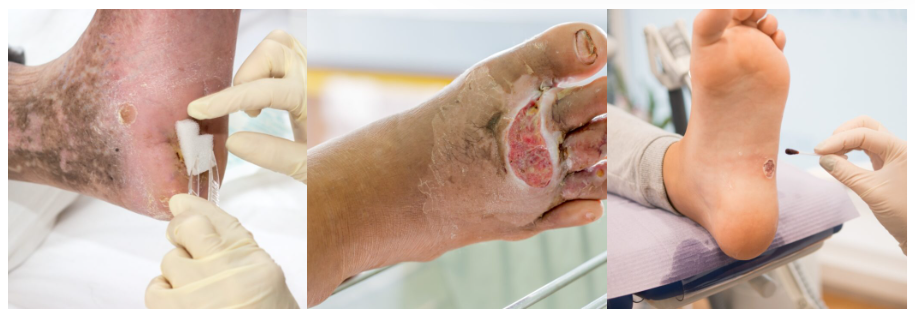
Physician Evaluation
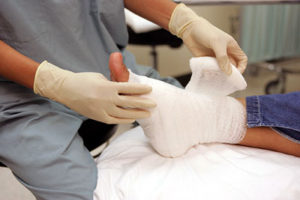
Debridement / Wound Wash and Care
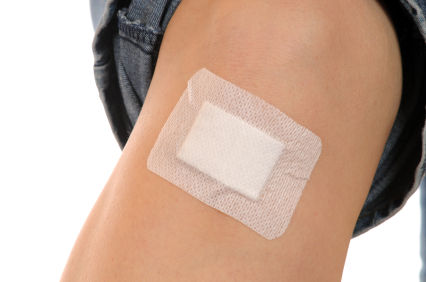
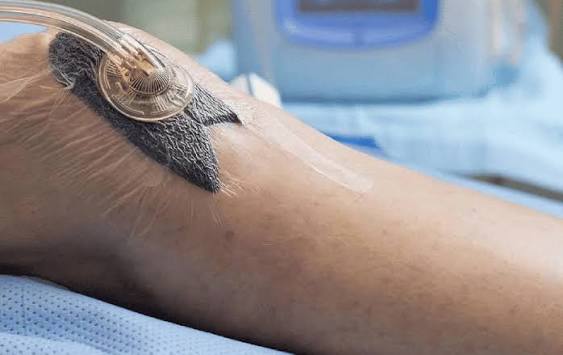
Vacuum-Controlled Assisted Closure (VAC) Therapy
Exercise Counseling

Footwear Guidelines
Surgery
Unna Boots
Nutrition Counseling
We treat wounds of all types:
General Ask
What is wound care?
Wound care involves evaluating, cleaning, protecting, and treating wounds to support proper healing and reduce the risk of complications or infection.
What types of wounds may require specialized care?
Specialized wound care may be needed for diabetic wounds, venous ulcers, pressure ulcers, arterial wounds, surgical wounds, traumatic wounds, and wounds that are slow to heal.
Why is a wound not healing properly?
Several factors can delay healing, including poor circulation, diabetes, infection, pressure, smoking, inadequate nutrition, and certain underlying health conditions.
What does wound care treatment involve?
Treatment depends on the type and severity of the wound and may include wound cleaning, removal of damaged tissue, dressings, infection management, pressure relief, and treatment of underlying circulation problems.
How long does a wound take to heal?
Healing time varies depending on the wound's size, depth, location, cause, and the person's overall health. Some wounds heal within days or weeks, while chronic wounds may require longer-term care.
How can I help a wound heal faster?
Follow your healthcare provider's wound-care instructions, keep the wound appropriately protected, maintain good nutrition, manage conditions such as diabetes, avoid smoking, and attend recommended follow-up appointments.
What are signs that a wound may be infected?
Possible signs include increasing redness, warmth, swelling, pain, drainage, unpleasant odor, or fever. Contact a healthcare professional if you notice signs of infection.
When should I seek specialized wound care?
Consider specialized evaluation if a wound is not healing as expected, keeps reopening, shows signs of infection, or is associated with diabetes, poor circulation, or another condition that may interfere with healing.
Can poor circulation affect wound healing?
Yes. Adequate blood flow delivers oxygen and nutrients needed for tissue repair. Reduced circulation can slow healing and increase the risk of complications.
What happens during a wound care evaluation?
A provider will typically examine the wound, assess its size and condition, evaluate surrounding tissue and circulation, identify factors affecting healing, and develop a treatment plan based on your individual needs.