Categories
- Cardiology 01
- COVID-19 68
- COVID-19 Treatment 68
- Gastroenterology 02
- Health Care 02
- Hospital 01
- lymphedema 72
- Neurology 01
- Orthopedics 01
- Peripheral Arterial Disease 02
- Prescott vein clinic 108
- Pulmonology 03
- Radiology 03
- sclerotherapy 91
- skin ulcers 90
- Uncategorized 51
- Varicose Veins 107
- vascular surgeon 149
- vascular surgeon in Phoenix, AZ 147
- Vein Clinic 146
- vein clinic in arizona 148
- vein disease 146
- Venous Insufficiency 96
- Venous Ulcers 93
Recent Posts
Deep Vein Thrombosis (DVT): Symptoms, Causes, and Prevention
When Should You See a Vein Specialist? Key Symptoms to Watch For
What are spider veins?
Spider veins are small, red/purple, spider web like vessels that are visible to the eyes. It may be a single strand or cluster of vessels. Spider vein is a description of how the vein looks rather than its pathology. Some doctors with minimal experience may consider all spider veins to be purely cosmetic matter, but I have come across scores of patients with symptoms of pain, tenderness, itchiness, throbbing, or bleeding in the area of their spider veins. They are often associated with underlying varicose veins which act as “feeder” veins, and are most commonly found on the lateral thighs, shins, calves, ankles, face or chest. Besides the above symptoms, spider veins can also be present with leg pain, night cramps, swelling, restless leg symptoms, and/or venous ulcers.
Laser spider vein treatment machines
Lasers and intense pulsed light devices selectively damage and permanently destroy spider veins with intense heat energy, and are used when sclerotherapy needle cannot be used. Commonly used lasers are Diode, Nd:Yag, and Alexandrite lasers. At Laser Vascular Center, not only do we carry several of these machines, we actually teach a course in medical lasers. Our doctor is a certified laser professor having taught hundreds of students over the years, as well as other doctors. We use Cynosure Apogee Elite lasers with both Nd:Yag and Alexandrite lasers, and Diomed Diode lasers
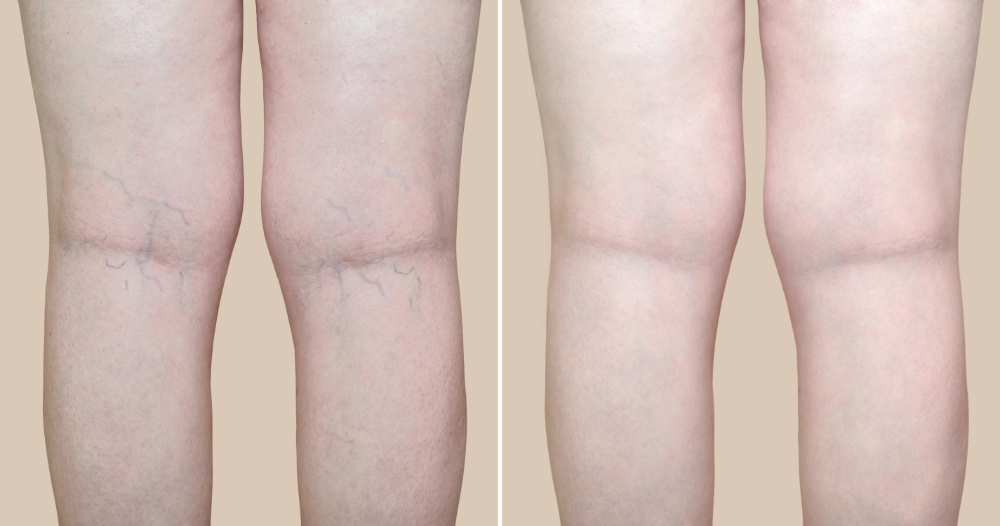
What to Expect During Laser Spider Vein Treatment
Proper preparation and aftercare can help support healthy healing and improve your treatment experience. Here are a few important guidelines to follow before and after your laser spider vein treatment.
Avoid Sun Exposure
Avoid direct sun exposure, indoor tanning beds, and tanning lotions for about one week before and after treatment. Sun exposure and tanning products can affect how the skin responds to the laser and may interfere with proper healing.
Protect the Treated Skin
Apply Aquaphor or Vaseline over the treated areas for a couple of days, as directed by your provider. Laser energy passes through the outer layer of skin to target the spider veins underneath. Some energy can also be absorbed by the epidermis, so gentle skin care and proper aftercare are important while the skin heals.
Take a Short Break From Strenuous Exercise
Avoid strenuous exercise for a few days after treatment. The laser works by delivering energy that is absorbed by blood within the spider veins, heating and sealing them. Too much pressure or intense activity too soon may interfere with the closure of the treated veins and could increase the need for additional treatment.
Follow the personalized aftercare instructions provided by your vein specialist. Recommendations may vary depending on your treatment, skin type, and individual needs.
Spider Vein Treatment
Spider veins that recur after treatment implies either failed treatment or underlying venous insufficiency. The “feeder” varicose vein may be putting pressure and reopening the spider veins after treatments. However, not all spider vein requires treatment, particularly if it’s not causing pain or other physical symptoms. Some patients do decide to have them treated for cosmetic reasons. When spider veins are associated with medical symptoms such as pain, swelling, night cramps, etc, then they may implicate underlying venous insufficiency, and the patient could benefit from their treatment. Two most common methods of treatment are Sclerotherapy and Laser Spider Vein Treatment.
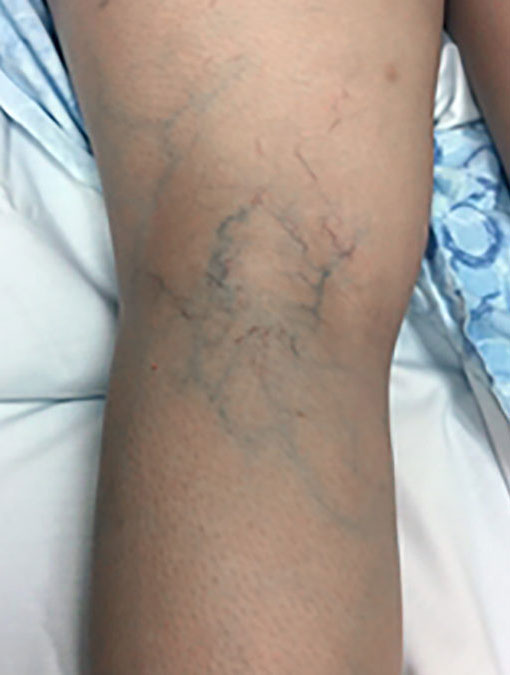
Results of Laser Spider Vein Treatment
About 80% of spider veins may disappear after a single session. This is due to vessel coagulation. For some patients with underlying venous insufficiency or thicker skins, treatment results may vary, and more than one treatment may be needed. Approximately 15% of patients will benefit from two treatments, and in about 5% of patients, three sessions may be needed