Varicose Veins
- Home
- Department
- Varicose Veins
Categories
- Cardiology 01
- COVID-19 68
- COVID-19 Treatment 68
- Gastroenterology 02
- Health Care 02
- Hospital 01
- lymphedema 72
- Neurology 01
- Orthopedics 01
- Peripheral Arterial Disease 02
- Prescott vein clinic 108
- Pulmonology 03
- Radiology 03
- sclerotherapy 91
- skin ulcers 90
- Uncategorized 51
- Varicose Veins 107
- vascular surgeon 149
- vascular surgeon in Phoenix, AZ 147
- Vein Clinic 146
- vein clinic in arizona 148
- vein disease 146
- Venous Insufficiency 96
- Venous Ulcers 93
Recent Posts
Deep Vein Thrombosis (DVT): Symptoms, Causes, and Prevention
When Should You See a Vein Specialist? Key Symptoms to Watch For
What are varicose veins?
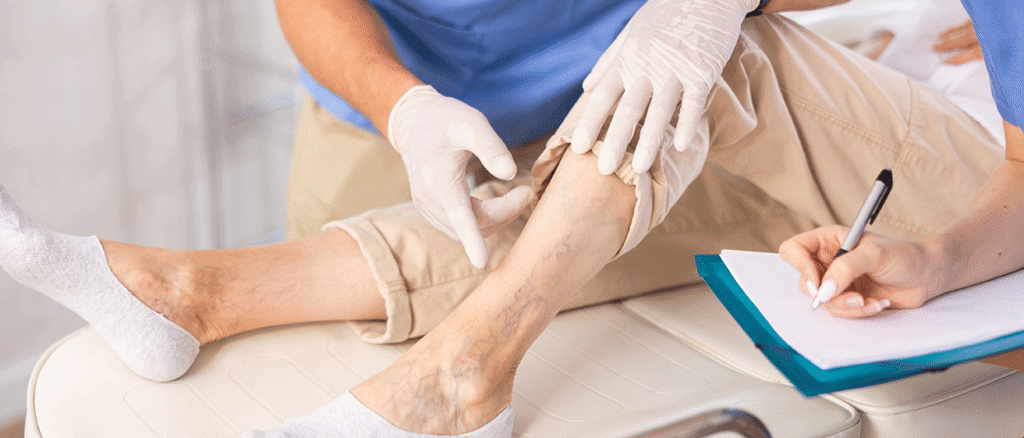
Varicose Veins are blue/green veins that appear near the surface of the skin. They are usually enlarged, tortuous, and bulging, but in some patients, they are not visible. A varicose vein may be normal size, but can still cause symptoms. Sometime, it may only be detected using a duplex ultrasound machine. It is a mistake to think that the vein has to be tortuous or visible in order to be considered a varicose vein. Many problematic varicose veins are not tortuous, and only found with the help of duplex ultrasound.
What Causes Varicose Veins?
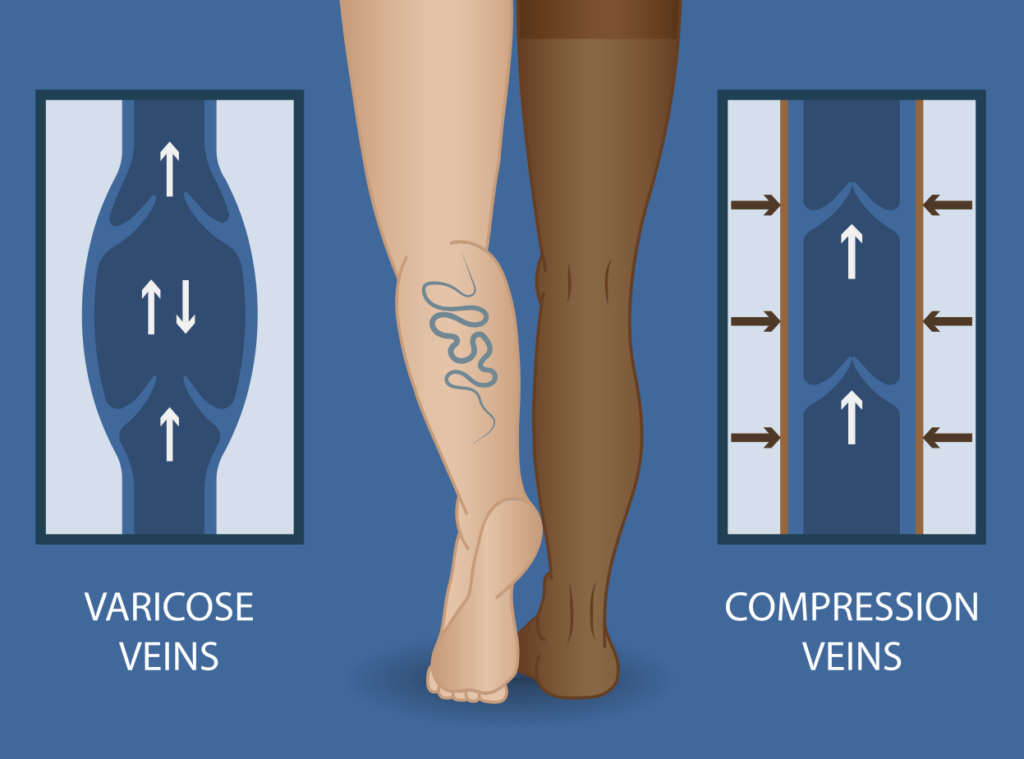
Varicose veins develop when the valves inside the veins do not function properly. Healthy veins contain one-way valves that help blood flow back toward the heart. When these valves become weak or damaged, blood can flow backward and pool in the veins. This condition is known as venous reflux or venous insufficiency.
As blood continues to accumulate, pressure inside the veins increases. Over time, the veins can become enlarged, twisted, and more visible beneath the skin.
Several factors can increase your risk of developing varicose veins, including:
Conditions that increase pressure within the abdomen, including chronic constipation or chronic coughing, may also contribute to worsening venous symptoms. Tight clothing may make symptoms feel worse in some individuals.
What Are the Symptoms of Varicose Veins?
For some people, the first noticeable sign is the appearance of enlarged, twisted veins beneath the skin. However, varicose veins can also cause a range of symptoms.
Common symptoms include:
- Heavy or tired-feeling legs
- Aching or discomfort in the legs
- Muscle cramps, particularly at night
- Burning or throbbing sensations
- Leg pain that may interfere with sleep
- Swelling of the legs or ankles
- Skin discoloration or darkening
- Dry, irritated, or inflamed skin
- Venous ulcers or sores that are slow to heal
- Bleeding from varicose veins
Symptoms may become more noticeable after prolonged standing or sitting and may improve when the legs are elevated.
If you are experiencing persistent leg pain, swelling, skin changes, or other symptoms associated with varicose veins, a vascular specialist can evaluate your condition and determine whether treatment is appropriate.
Conservative Treatment for Varicose Veins
Compression therapy is one of the most common conservative approaches used to help manage symptoms associated with varicose veins and chronic venous insufficiency.
Compression stockings apply controlled pressure to the legs, which can help improve blood flow toward the heart and reduce symptoms such as leg swelling, aching, and heaviness. They may also be recommended after certain vein procedures to support recovery and help manage postoperative swelling and discomfort.
However, compression therapy generally manages symptoms rather than correcting the underlying cause of venous reflux. If faulty vein valves are allowing blood to flow backward, compression stockings do not repair those valves.
For patients whose symptoms persist or whose venous disease progresses, a vascular specialist may recommend additional treatment options. The appropriate treatment depends on the severity of the condition, the affected veins, symptoms, and the results of a vascular evaluation.
If you have visible varicose veins or symptoms such as leg heaviness, swelling, aching, skin changes, or ulcers, consider scheduling an evaluation with a vascular specialist to determine the underlying cause and appropriate treatment options.
Varicose Veins Treatment with EVLT
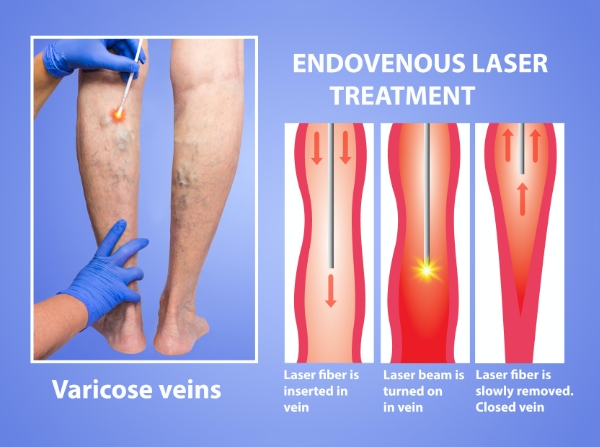
Varicose Veins Treatment with EVLT is quickly becoming the gold-standard in the treatment of varicose veins. Endo-Venous Laser Treatment (EVLT) uses laser, delivered via a flexible fiber optic fiber that allows for slight bending and curving. Medical lasers work by delivering this light energy to the targeted tissue with extreme precision, so as not to affect the surrounding tissue. Lasers have proven their safety and effectiveness through years of use in all types of medical procedures, from eye surgery such as LASIKS to kidney stone removals. In the hands of a skilled physician, lasers offer far less risk for complications than conventional surgery.
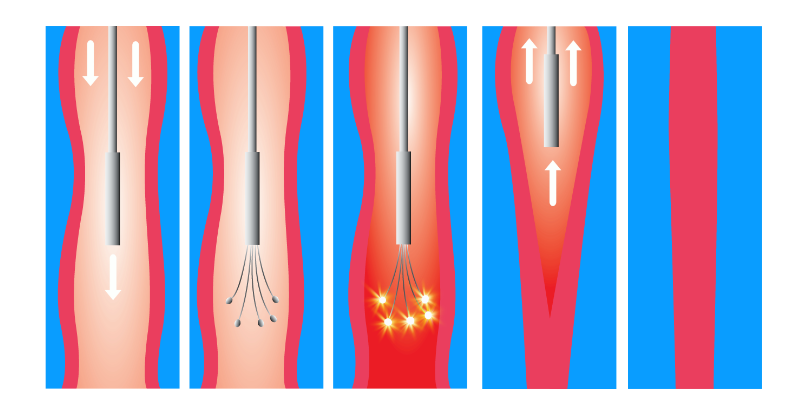
In EVLT, a thin laser fiber is inserted into the damaged vein through a very small entry point in the skin. A laser beam is emitted at the tip as the fiber is pulled back through the vein. The laser then delivers energy to the entire diseased veins, causing the veins to close and seal shut. The veins that are closed are superficial veins that handle less than five percent of the body’s blood flow. The blood is automatically routed to other, healthy veins.
Some patients may experience temporary soreness or some slight swelling, which can be treated effectively with over-the-counter, non-aspirin pain relievers and typically subsides within the first five days. The procedure is minimally invasive and requires no general anesthesia. Only local anesthetic and/or light sedation is used. Patients are encouraged to walk immediately after the procedure and can resume normal activities the same day.
Ligation and Vein Stripping
Vein Ligation and stripping had historically been the “Gold Standard” for treating symptomatic venous insufficiency. As a matter of fact, in some backward surgical textbooks, it is still touted as the gold standard. However, with the new scientific data on this barbaric stripping procedure has made this procedure obsolete, if not undesirable. There is tremendous morbidity to this procedure due to pain, bruising, development of chronic nerve irritation, prolonged recovery and “down-time.” Stripping also stimulates incredible amount VEGF secretion along the old GSV track that many patients return to their surgeons with recurrent superficial varicosities and NEO-Greater Saphenous Veins.
The great saphenous vein is ligated (or tied off) near the groin to control gravitational flow of blood backward into the legs. Ligation alone can preserve the vein for subsequent harvesting in case of arterial bypass. However, ligation alone has proven unsatisfactory for preventing the occurrence of reflux, so it is often supplemented by vein stripping. Ligation and stripping require general anesthesia due to their excessive procedural pain, and usually require hospitalizations or severe pain, scarring and lost days from work.
Radiofrequency Ablation
Endovenous radiofrequency (RF) ablation is similar to EVLT except the energy source is RF energy (electricity). It involves insertion of a much larger catheter with bare metal electrodes via a much larger introducer needles. In recent years, endovenous laser therapy has surpassed radiofrequency vein ablation as the predominant minimally-invasive varicose vein ablation procedure due to the improved outcomes and decreased complications with Laser Vein Surgery procedure.
Minimally Invasive Therapies
Minimally invasive techniques are increasingly replacing traditional surgery for many types of treatments. Varicose vein treatment is one area where advances in medical technology have made procedures simpler, more comfortable, and more convenient for patients.
Many minimally invasive procedures can be performed without a hospital stay and may use local anesthesia instead of general anesthesia. This approach can help reduce recovery time and minimize certain risks associated with general anesthesia.
Less Invasive
Smaller treatment areas compared with traditional surgery.
Outpatient Treatment
Many procedures can be performed without a hospital stay.
Local Anesthesia
Many treatments can be performed using local anesthesia.
Convenient Recovery
Modern techniques may allow patients to return to normal activities sooner.
General Ask
What causes varicose vein
Are varicose veins hereditary?
Can pregnancy cause varicose veins?
What are the common symptoms of varicose veins?
Do varicose veins get worse when standing?
Can compression stockings treat varicose veins?
Can varicose veins go away on their own?
When should I see a doctor for varicose veins?
Are varicose veins dangerous?
What treatments are available for varicose veins?
Can varicose veins be prevented?
Can varicose veins cause leg pain at night?
Laser Vascular Center offers advanced, personalized care for a wide range of vascular conditions.