Does Insurance Cover Varicose Vein Treatment? What Phoenix Patients Should Know

Does Insurance Cover Varicose Vein Treatment? What Phoenix Patients Should Know
Many people put off vein care because they assume it is cosmetic and will not be covered. In many cases, that is not true. Insurance plans, including Medicare, often cover varicose vein treatment when it is medically necessary and properly documented. This guide explains how coverage decisions usually work and how to prepare.
Does insurance cover varicose vein treatment?
Often, yes, when the treatment is medically necessary. Most health plans, including Medicare, cover procedures for varicose veins that cause symptoms such as pain, swelling, skin changes, or ulcers, as long as the need is documented. Treatment done only to improve the look of the legs is usually treated as cosmetic and is generally not covered.
Every plan has its own rules, so the only way to know your exact benefits is to check with your insurer. The insurance page at Laser Vascular Center is a good place to start before your visit.
What does “medically necessary” mean for vein treatment?
Medically necessary means the care is needed to diagnose or treat an illness, injury, condition, or its symptoms and meets accepted standards of medicine. That is the plain-language definition HealthCare.gov uses. For veins, insurers want to see that the veins cause real symptoms, not just a cosmetic concern.
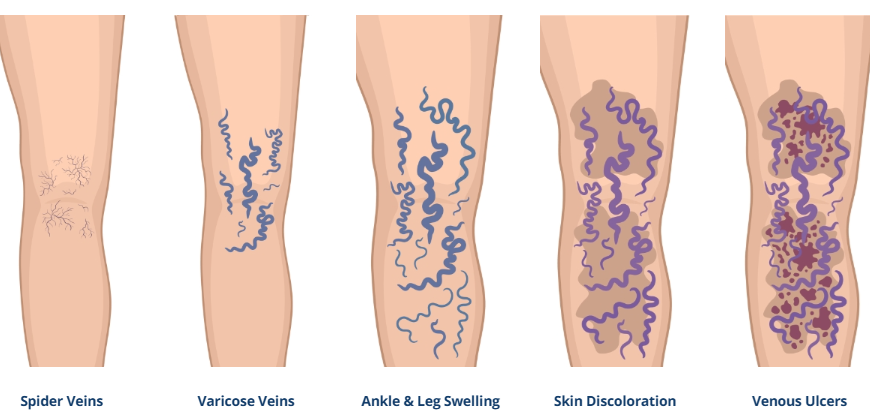
The National Heart, Lung, and Blood Institute (NHLBI) explains that varicose veins can cause aching, heaviness, swelling, itching, cramps, and skin changes, and that untreated varicose veins can lead to complications such as bleeding and ulcers. Those symptoms and complications are what usually move vein care from “cosmetic” to “medical.”
What do insurers usually look for before approving treatment?
Insurers usually look for three things: documented symptoms, a vein ultrasound showing reflux, and a trial of conservative care. Specific criteria vary by plan, but Medicare’s published policies give a clear example of what insurers tend to check.
One Medicare local coverage determination (LCD L33575, Varicose Veins of the Lower Extremity, Treatment of) states that treatment to eliminate saphenous vein reflux is considered medically necessary when the patient remains symptomatic after a six-week trial of conservative therapy and has reflux in a saphenous vein. The same policy lists symptoms that count, including:
- A stasis ulcer of the lower leg
- Significant pain and swelling that interfere with daily activities
- Bleeding from the diseased veins
- Repeated episodes of superficial phlebitis
- Stasis dermatitis
- Swelling that does not improve (refractory dependent edema)
The policy also says the conservative therapy must be documented in the medical record. Medicare coverage rules are set regionally by Medicare Administrative Contractors, and private plans write their own policies, so your plan’s criteria may differ.
What is conservative therapy, and why do insurers require it?
Conservative therapy is a period of non-procedure care, such as compression stockings, exercise, leg elevation, and weight management. Many insurers require a documented trial before they will approve a procedure. The Medicare policy above lists weight reduction, a daily exercise plan, periodic leg elevation, and graduated compression stockings as components.
If you cannot tolerate compression stockings, tell your provider. The same Medicare policy notes that the reason for intolerance must be documented in the record. Keep track of how long you have worn stockings and whether your symptoms improved. You can learn more in our guide to compression stockings.
Is a vein ultrasound required for coverage?
In most cases, yes. A duplex ultrasound shows how blood flows through your leg veins and whether valves are leaking (reflux). Coverage policies for vein ablation are typically tied to ultrasound findings, such as reflux in the great or small saphenous vein.
The ultrasound also guides which treatment fits your veins. It is a noninvasive test that uses sound waves and is usually part of a first vein evaluation. Read what to expect during your first vein evaluation for more detail.
Which varicose vein treatments are commonly covered?
Procedures that close or remove diseased veins are commonly covered when criteria are met. The Medicare policy above lists radiofrequency ablation, laser ablation, polidocanol microfoam, cyanoacrylate embolization, and mechanochemical ablation as accepted treatments for saphenous vein reflux, along with sclerotherapy or microphlebectomy for certain symptomatic tributary veins.
The NHLBI describes the same general options for varicose veins: lifestyle changes, compression, endovenous ablation, sclerotherapy, phlebectomy, and, less often, surgery. You can review the vein and vascular services offered at Laser Vascular Center.
Are spider veins covered by insurance?
Usually not. Spider veins are small, dilated vessels near the skin’s surface, and Medicare’s varicose vein policy describes them as most often treated for cosmetic purposes. Most plans treat spider vein care the same way.
Some people have both spider veins and underlying venous insufficiency. In that case, the varicose veins or reflux may qualify for coverage, while cosmetic spider vein care may be self-pay. Learn more about spider vein treatment and the differences between varicose and spider veins.
How can you prepare for an insurance-covered vein visit?
Bring your insurance card, a list of symptoms, and a record of what you have already tried. Good preparation helps your care team document medical necessity accurately and saves time with prior authorization.
A simple checklist:
- Write down your symptoms: pain, heaviness, swelling, cramps, itching, skin changes, or sores, and how they affect work, sleep, or walking.
- Note how long you have had them and whether they are worse after standing or sitting.
- Record conservative care: when you started compression stockings, how often you wear them, and the results.
- Call your insurer and ask whether vein ablation needs prior authorization, whether a referral is required, and what your deductible and coinsurance are.
- List your medications and any history of blood clots.
Ready to find out if your vein symptoms qualify for treatment? Call Laser Vascular Center at (480) 788-5621 or contact us online to schedule a vein evaluation.
Frequently asked questions
Does Medicare cover varicose vein treatment?
Medicare can cover varicose vein treatment when it is medically necessary. Published Medicare policies typically require documented symptoms, ultrasound-confirmed reflux, and a trial of conservative therapy.
Do I need to wear compression stockings before insurance approves treatment?
Many insurers require a documented trial of conservative care, which often includes compression stockings. Medicare’s policy L33575 describes a six-week trial. If you cannot tolerate stockings, the reason should be documented.
Is spider vein treatment covered by insurance?
Usually not. Spider veins are most often treated for cosmetic reasons, so most plans do not cover them. Underlying varicose veins or venous reflux may be covered if criteria are met.
What symptoms make vein treatment medically necessary?
Common qualifying symptoms include significant pain and swelling that interfere with daily activities, bleeding, leg ulcers, skin changes such as stasis dermatitis, and repeated superficial phlebitis.
How do I know what my plan covers?
Call the member services number on your insurance card and ask about vein ablation, prior authorization, referrals, deductibles, and coinsurance. The clinic can also help verify benefits.
Sources
- Centers for Medicare & Medicaid Services: LCD L33575 – Varicose Veins of the Lower Extremity, Treatment of
- HealthCare.gov: Medically necessary (glossary)
- National Heart, Lung, and Blood Institute (NIH): Varicose Veins
- MedlinePlus (National Library of Medicine): Varicose Veins
- Medicare.gov: Your Medicare coverage
This article is general information, not medical or insurance advice. Coverage depends on your plan. Book an evaluation with a qualified provider for a diagnosis and treatment plan.